

The spine plays a central role in supporting posture, movement, and overall physical function. Whether you are sitting at a desk, lifting objects, walking, or sleeping, your spine works continuously to provide stability and flexibility. Modern lifestyles that involve prolonged sitting, poor posture, repetitive movements, and reduced physical activity have contributed to a growing number of people experiencing back and neck discomfort. This has led many individuals to explore Ayurvedic Spine Treatment as part of a comprehensive approach to spinal health under qualified medical supervision.
Ayurveda takes a personalized approach to managing musculoskeletal concerns. Rather than focusing only on temporary symptom relief, it considers an individual's body constitution, lifestyle, daily habits, and overall health before recommending therapies. Understanding when Ayurvedic spine care may be appropriate can help patients make informed healthcare decisions.
Common Spine-Related Problems
Spinal discomfort can develop for various reasons, and not every condition requires the same treatment. Some issues may improve with lifestyle changes and physiotherapy, while others require medical evaluation or specialized care.
Common spine-related concerns include:
- Lower back pain
- Neck pain
- Muscle stiffness
- Cervical discomfort
- Poor posture-related pain
- Sciatica
- Age-related spinal degeneration
- Reduced flexibility
- Muscle strain due to repetitive work
Persistent or severe pain should always be evaluated by a qualified healthcare professional to determine the underlying cause.
How Does Ayurveda View Spine Health?
According to Ayurvedic principles, spinal health is influenced by the balance of the body's functional energies, daily routine, nutrition, and physical activity. Treatment is individualized rather than standardized, with recommendations based on a thorough consultation.
During an Ayurvedic assessment, the physician may evaluate:
- Nature and duration of symptoms
- Body constitution (Prakriti)
- Lifestyle and occupation
- Sleep quality
- Physical activity levels
- Digestive health
- Previous medical history
- Existing medications or treatments
This evaluation helps determine whether Ayurvedic therapies may be suitable as part of the patient's overall care plan.
What May Be Included in Ayurvedic Spine Treatment?
Treatment plans differ from one patient to another and depend on clinical findings. A qualified Ayurvedic practitioner may recommend one or more of the following approaches.
Herbal Medicines
Herbal formulations may be prescribed based on individual assessment. These medicines should only be used under the supervision of a qualified Ayurvedic physician.
Panchakarma Procedures
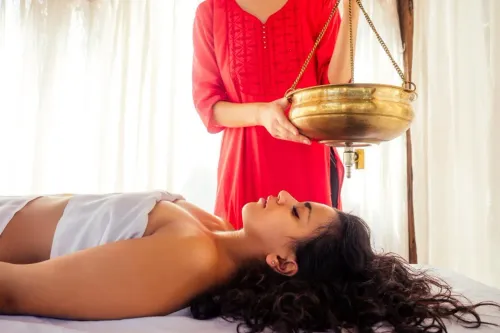
Selected patients may benefit from Panchakarma therapies such as Basti, Abhyanga, or Swedana when considered appropriate by the treating doctor. These therapies are performed under professional supervision after careful evaluation.
Therapeutic Massage
Traditional massage techniques using medicated oils may be incorporated into treatment plans to support relaxation and improve mobility.
Lifestyle Modifications
Patients are often advised to improve posture, maintain healthy body weight, avoid prolonged sitting, and follow routines that reduce strain on the spine.
Yoga and Stretching
Specific yoga practices and stretching exercises may be recommended according to the individual's condition and physical ability to improve flexibility and strengthen supporting muscles.
Who May Benefit from Professional Evaluation?
Individuals should consider consulting a healthcare professional if they experience:
- Back pain lasting several weeks
- Recurrent neck stiffness
- Difficulty performing daily activities
- Pain that interferes with sleep
- Reduced flexibility
- Pain associated with prolonged sitting
- Recurring muscle tightness
A proper diagnosis is essential before beginning any treatment, especially when symptoms are severe or persistent.
Why Early Attention Matters
Ignoring spinal discomfort may lead to reduced mobility and difficulty performing routine activities. Seeking medical advice at an early stage allows healthcare professionals to identify contributing factors and recommend appropriate management strategies.
Depending on the diagnosis, treatment may involve lifestyle modifications, physiotherapy, medication, or complementary therapies such as Ayurveda under professional guidance. Early intervention often supports better long-term management.
Supporting Spine Health Every Day
Healthy daily habits can contribute significantly to maintaining spinal wellness.
Simple practices include:
- Maintaining correct sitting posture
- Taking regular breaks during desk work
- Performing stretching exercises
- Sleeping on a supportive mattress
- Avoiding improper lifting techniques
- Staying physically active
- Maintaining a healthy weight
- Following professional medical advice
These habits may help reduce unnecessary strain on the spine and support overall musculoskeletal health.
Learning About Holistic Healthcare
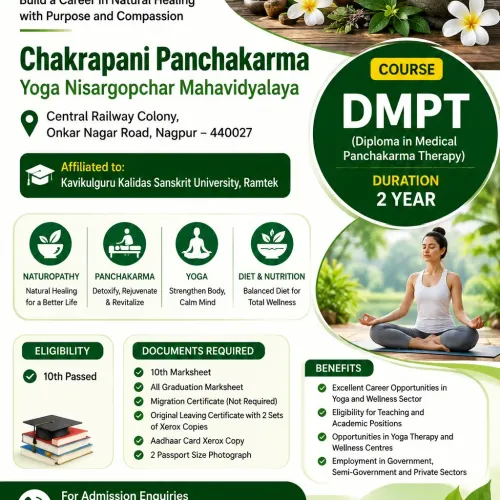
Interest in Ayurveda and holistic wellness continues to grow across Maharashtra, including Nagpur. Educational institutions are playing an important role in preparing future healthcare professionals by offering structured programs in Ayurveda, Panchakarma, Yoga, and allied health sciences.
Chakrapani Panchakarma Yoga Nisargopchar College provides academic programs that combine traditional Ayurvedic knowledge with practical learning. Students interested in understanding holistic healthcare systems can explore chakrapanicollege.org for information about available courses, eligibility, and educational opportunities.
Ayurvedic Spine Treatment is most effective when it begins with a thorough medical evaluation and a personalized care plan. By combining traditional Ayurvedic principles with healthy lifestyle practices and appropriate medical guidance, individuals can work toward improving spinal health, mobility, and overall quality of life while making informed decisions about their long-term well-being.