A clinical support role in an operating theater involves far more than passing instruments. By the end, you should be able to judge whether a certificate course teaches the complete perioperative sequence, sterile practice, patient safety, equipment handling, emergency support, and supervised workplace skills that hospitals actually require.
Key takeaways
- Treat every handoff, count, and record as a patient-safety task.
- Compare courses by supervised placement hours and documented clinical competencies.
- Learn instrument handling alongside decontamination, sterilization, and room turnover.
- Choose training that includes surgical checklists and emergency-response practice.
What an Operation Theater Assistant Does Before, During, and After Surgery
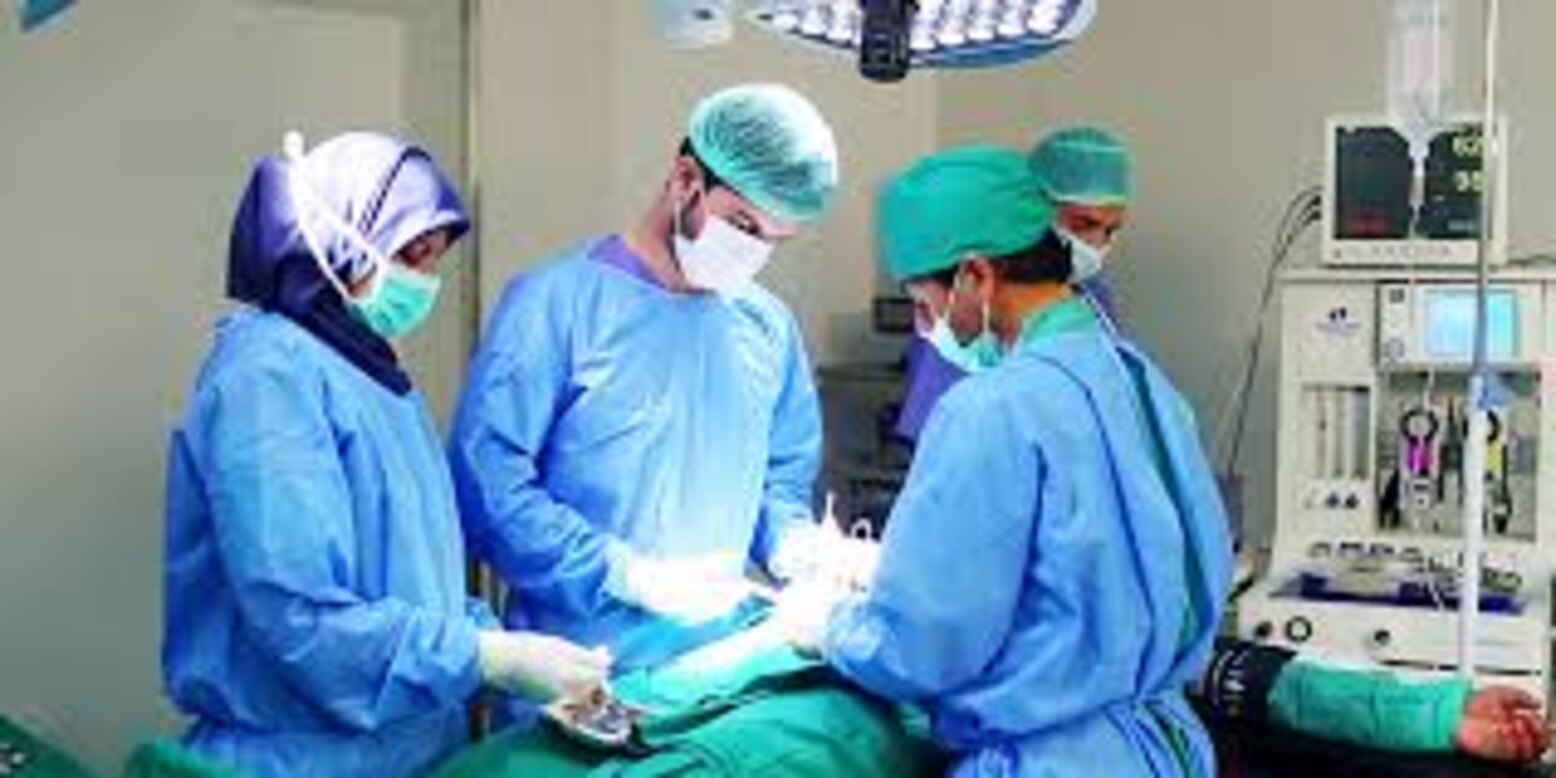
Readiness means completing each handoff safely, not merely naming instruments. The operation theater assistant duties cover preparation, supervised intraoperative support, recovery transfer, room turnover, and accurate documentation across the full perioperative workflow.
| Stage | Core responsibilities | Evidence of readiness |
|---|---|---|
| Before surgery | Complete operating-table preparation; check lights, suction, cautery, instruments, sterile packs, and emergency supplies. Support patient transfer, identity and procedure checks, consent-status escalation, allergy confirmation, imaging or blood availability, and patient positioning support. | The assistant identifies missing information and alerts the nurse or clinician instead of guessing or authorising the operation. |
| During surgery | Maintain the sterile field, pass supplies within delegated duties, adjust the surgical light, support anesthesia-area workflow, and handle specimens using the team’s labels and instructions. | The assistant communicates clearly and reports contamination, equipment failure, positioning pressure, or an unlabelled specimen immediately. |
| Before the patient leaves | Participate in the World Health Organization Surgical Safety Checklist pause before induction, before skin incision, and before the patient leaves the operating room. Support counts, specimen confirmation, and postoperative patient transfer. | The assistant treats the checklist as team communication, not as permission to diagnose or manage complications. |
| After surgery | Clean and decontaminate the room according to policy, dispose of waste safely, replenish supplies, check equipment, and document completed tasks and handover details. | The next case starts with a safe, stocked room rather than hidden omissions. |
This role is supervised clinical support. A certificate does not authorise surgery, anesthesia, prescribing, independent airway management, or major-hemorrhage care; emergency training covers summoning help, locating equipment, assisting within training, and keeping supplies available.
The Syllabus: Instruments, Equipment, and Safe Clinical Support
A missing clamp or cracked suction tube can delay an operation or contaminate the field. Training must move beyond memorising names: students need repeated practice identifying surgical instruments and uses, inspecting hinges and insulation, counting sets, passing items safely, and reporting damage or shortages before incision.
Hands-on sessions should cover:
- Instrument identification, including scalpels, forceps, retractors, needle holders, clamps, and their correct handling and transfer.
- Operating-table preparation, patient transfer, positioning support, surgical-light adjustment, and protection of pressure points.
- Surgical hand preparation, sterile gowns and gloves, surgical draping, sterile-field boundaries, and the immediate response to contamination.
- Suction equipment, tubing connections, collection containers, cautery equipment, cables, foot pedals, and pre-use function checks.
- Anesthesia-area support: locating airway supplies, checking oxygen connections, keeping designated supplies available, and never changing drugs or anesthetic settings.
- Specimen containers, labels, requisitions, counts, and secure handover to the authorised team member.
- Emergency supplies, resuscitation equipment, and the method for summoning help while keeping the room supplied.
Students should practise room setup, instrument and swab counts, turnover cleaning, and documentation under supervision. A certificate does not authorise independent anesthesia management, airway treatment, hemorrhage control, or surgical decisions; competence means recognising a problem, protecting the patient and sterile field, and escalating it promptly.
How Sterile Technique and Decontamination Are Learned
A glove does not make a procedure sterile: touching a nonsterile surface, reaching across the sterile field, or allowing unnecessary traffic creates contamination. Training treats aseptic technique as a system. Students practise surgical hand scrub, drying without recontamination, gowning and gloving, draping, and keeping sterile items above waist level and within view.
Supervised practice should require students to:
- Prepare the room and sterile supplies, check package integrity, and identify wet, torn, opened, or expired packs.
- Establish the sterile field, limit movement and door traffic, and say immediately when a sleeve, glove, instrument, or drape has become contaminated.
- Respond to a break by stopping, protecting the patient, replacing the contaminated item, and informing the responsible nurse or clinician.
- Observe or perform room turnover and documentation within delegated limits, including load records, indicator results, and supply replenishment.
The terms are not interchangeable:
| Term | What it does | What students learn |
|---|---|---|
| Cleaning | Removes soil and organic matter with water and detergent | Do this before disinfection or sterilization; residual soil can shield microbes. |
| Disinfection | Reduces harmful microorganisms on suitable surfaces or equipment | Select the approved chemical, concentration, contact time, and surface compatibility. |
| Sterilization | Destroys all microbial life, including spores | Use compatible processing, such as autoclaving; check packaging, chemical indicators, biological monitoring, and traceability. |
| Fumigation | Decontaminates an enclosed area with a chemical vapour or gas under a facility protocol | Do not treat it as routine instrument sterilization; follow room-clearance, exposure, and aeration controls. |
Patient Safety, Surgical Checklists, and Emergency Readiness
An assistant supports identity and consent verification by matching the patient’s name, date of birth or hospital number, planned procedure, operative site, consent status, allergies, and required blood or imaging records against the chart and team instructions.
Missing or conflicting information stops the workflow: report it to the circulating nurse or clinician rather than correcting it yourself.
The WHO Surgical Safety Checklist structures team communication at three points:
- Sign-in: before induction of anesthesia, confirm identity, procedure, site, consent, allergies, airway or aspiration concerns, and equipment readiness.
- Time-out: before skin incision, repeat the patient, procedure, site, antibiotic status, anticipated blood loss, and critical concerns.
- Sign-out: before the patient leaves the operating room, confirm the procedure performed, instrument and swab counts, specimen labels, equipment problems, and postoperative instructions.
Emergency readiness means checking delegated supplies, including suction, oxygen connections, airway equipment, cautery accessories, emergency medicines kept under authorized staff control, and a clear transfer route. During deterioration, call the nurse or clinician, bring requested equipment, record or relay observations, and never diagnose, administer anesthesia, or authorize surgery.
Infection prevention includes hand hygiene, aseptic movement, sharps disposal, blood and body-fluid precautions, spill response, waste segregation, and immediate reporting of exposure or needlestick injuries. Follow the facility’s post-exposure process without delay. Training also teaches assistants to identify a broken sterile barrier and alert the sterile team instead of hiding or repairing it independently.
How to Evaluate Clinical Placement and Course Readiness
Ask to see the placement agreement, named hospital, supervised-hours requirement, and assessment records before paying; a certificate awarded for attendance is weak evidence of clinical readiness.
| Evidence | What to verify | Warning sign |
|---|---|---|
| Clinical placement | A supervised clinical placement in an operating theater where students observe or perform, within delegated limits, room setup, patient transfer, positioning support, sterile preparation, counts, specimen labeling, cleaning, and turnover | Classroom demonstrations only |
| Assessment | Direct-observation checklists, practical instrument handling, documentation review, and feedback from a named clinical supervisor | Attendance, a written quiz, or vague “exposure” |
| Traceability | Samples of instrument and swab counts, specimen labeling, equipment-fault reports, handovers, and sterilization traceability records | No records or no named signatory |
| Emergency readiness | Training on locating emergency supplies, summoning help, assisting resuscitation within training, and replenishing the room | Claims of independent anesthesia, airway, or hemorrhage management |
Ask the provider these questions:
- How many placement hours are guaranteed, in which hospital, and who supervises each shift?
- Which duties will the hospital permit, and which are excluded?
- How are infection control, emergency response, and documentation assessed?
Verify local rules because job titles and permitted duties differ across hospitals and Indian states. The word “certificate” does not establish licensure or independent practice rights. For a course at Chakrapani Panchakarma Yoga Nisargopchar College, confirm that operating-theater support is separated from authority to prescribe, perform surgery, administer anesthesia, or provide independent Ayurvedic treatment.
Related product
 | Certificate Course in Operation Theater Assistant Certificate Course in Operation Theater Assistant A Certificate Course in Operation Theater Assistant trains individuals to assist surgeons and other medical professionals during surgeries and manage... View product → |
Frequently asked questions
What does an operation theater assistant do before, during, and after surgery?
Before surgery, the assistant prepares the room, equipment, instruments, and documentation. During surgery, the assistant provides supervised support without exceeding the assigned role. Afterward, the assistant helps with recovery transfer, waste handling, decontamination, room turnover, and records.
What should an operation theater assistant course teach?
A useful syllabus covers surgical instruments, operating-room equipment, patient positioning, supplies, documentation, infection prevention, safe clinical support, and the limits of the assistant’s role.
How are sterile technique and decontamination taught?
Students learn how to protect the sterile field, handle sterile and contaminated items, segregate waste, clean equipment, and follow the documented decontamination and sterilization workflow under supervision.
Why do surgical checklists matter for operation theater assistants?
Checklists create deliberate pauses to confirm patient identity, procedure, site, consent, equipment, counts, and handoffs. They reduce reliance on memory during routine and urgent work.
How can you evaluate a clinical placement before enrolling?
Ask where placement occurs, who supervises students, which competencies are assessed, how attendance and procedures are recorded, and whether students practise room preparation, sterile support, recovery transfer, and emergency readiness.