Thank you for writing to us. One of our executive will reach back to you through your submitted medium. In case there’s an urgency, feel free to connect over WhatsApp for faster response.
Prefer calling? Dial +918048074132 (International callers) or 08048074132 (Indian callers).
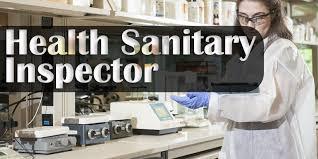
A Certificate Course in Health and Sanitary Inspector is a specialized program designed to equip individuals with the knowledge and skills needed to ensure public health and safety by inspecting food establishments, hospitals, schools, and other public spaces. The course typically focuses on sanitation, hygiene, disease prevention, and inspection techniques, preparing graduates for roles like health inspectors, sanitary officers, or environmental health specialists.
Course Content:
Water and Sanitation: Covers water quality standards, treatment methods, and pollution sources.
Solid Waste Management: Includes waste segregation, collection, transportation, and disposal.
Food Safety and Hygiene: Focuses on principles of food safety, foodborne diseases, and HACCP (Hazard Analysis and Critical Control Points).
Public Health and Epidemiology: Covers public health principles, epidemiological methods, and surveillance.
Occupational Health and Safety: Addresses workplace sanitation, health hazards, and safety regulations.
Sanitation Law and Policy: Includes overview of sanitation laws, government's role, and environmental protection laws.
Vector Control: Introduces vectors, vector-borne diseases, and control strategies.
Sociology of Sanitation: Explores the social and cultural aspects of sanitation.
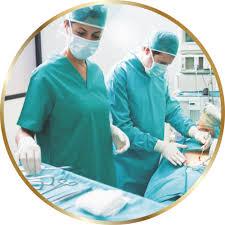
A Certificate Course in Operation Theater Assistant trains individuals to assist surgeons and other medical professionals during surgeries and manage the operation theater environment. This course focuses on practical skills, including preparing the operating room, sterilizing equipment, assisting with surgical procedures, and providing patient care.
Course Content and Skills:
Operation Theater Management:
Learning about the layout, equipment, and safety protocols of the operation theater.
Sterilization and Infection Control:
Understanding and practicing proper sterilization techniques to maintain a sterile environment.
Surgical Assistance:
Learning how to prepare instruments, assist with various surgical procedures, and support the surgical team.
Patient Care:
Providing pre-operative and post-operative care, including monitoring vital signs and assisting with recovery.
Anesthesia Techniques:
Gaining knowledge of different anesthesia techniques and their applications.
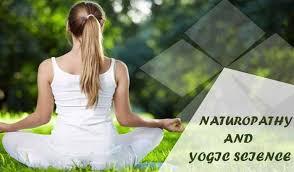
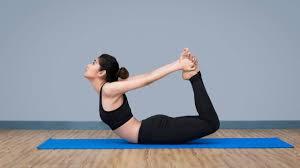
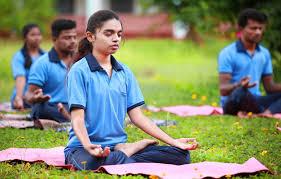
The Diploma in Naturopathy and Yogic Science (DNYS) is a 1-3 year course that combines the study of naturopathy and yoga, focusing on natural healing and a holistic approach to wellness. It covers naturopathy principles like herbal medicine, nutrition, and hydrotherapy, as well as yoga techniques like physical postures, breathing exercises, and meditation. Graduates can find jobs in wellness centers, naturopathy clinics, or yoga studios, or start their own practices.
Key aspects of the DNYS course:
Duration:
The course duration can vary between 1 and 3 years, depending on the institution and the depth of study.
Content:
It covers naturopathy, yoga, and other natural therapies like hydrotherapy, diet therapy, and mud therapy.
Curriculum:
The curriculum provides a theoretical and practical understanding of naturopathy and yoga techniques.
Diploma Course in Naturopathy and Yogic Science ( DNYS )
A Diploma in Physiotherapy (DPT) is a 2-year professional paramedical course that equips students with the knowledge and skills to assist patients with physical disabilities and injuries in various healthcare settings. The course focuses on rehabilitation techniques, physical therapy, and allied healthcare areas.
Key Aspects of the Diploma in Physiotherapy:
Course Duration:
2 years.
Eligibility:
Typically requires completion of 10+2 (Science stream) with a minimum of 50% marks.
Curriculum:
Covers topics like anatomy, physiology, biomechanics, and therapeutic modalities.
Career Opportunities:
Graduates can work in hospitals, clinics, rehabilitation centers, and sports facilities.
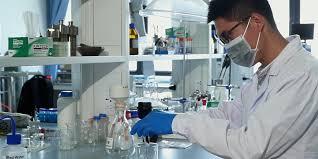
The Diploma in Medical Laboratory Technology (DMLT) is a two-year diploma program designed to train students in the field of medical laboratory technology. It focuses on developing skills in laboratory diagnostics, allowing graduates to work in various healthcare settings. DMLT graduates are equipped to perform essential diagnostic tests, operate lab equipment, and contribute to patient care.
Course Details:
Duration:
2 years. Some programs may offer a slightly longer duration, like 2 years and 6 months.
Eligibility:
Typically requires a 10+2 (higher secondary) education with a science background (Physics, Chemistry, and Biology).
Curriculum:
Includes subjects like clinical biochemistry, microbiology, hematology, and immunology.
Focus:
Practical skills in laboratory procedures, techniques, and instrumentation.
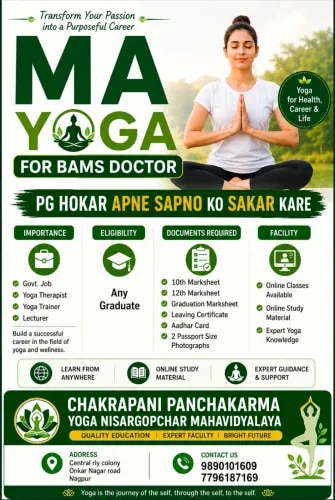
An M.A. (Master of Arts) in Yoga is a two-year postgraduate degree that focuses on the fundamentals of human consciousness and yogic science. The program blends ancient wisdom with modern scientific knowledge and teaching skills, aiming to build physical, mental, and spiritual discipline in students. It explores traditional yoga texts like the Patanjali Yoga Sutra and Hatha Pradipika, and also covers scientific yoga research and therapeutic approaches.
Key Aspects of an M.A. in Yoga:
Program Duration: Two years, typically divided into four semesters.
Focus: Combines the philosophy, principles, and practices of yoga with related sciences like Ayurveda, Naturopathy, and Psychology.
Curriculum: Includes subjects like yoga texts, hatha yogic practices, and research methodologies.
Career Prospects: Graduates can pursue careers in therapy, teaching, research, and wellness coaching.
Eligibility: Generally requires a bachelor's degree in any stream
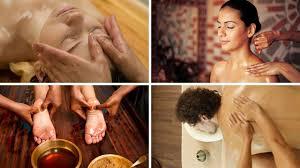
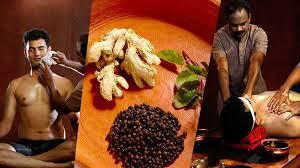
A Diploma in Panchakarma and Massage Therapy, often referred to as a Panchakarma and Massage Technician course, equips individuals with the knowledge and skills to perform Ayurvedic massage techniques and Panchakarma therapies. These programs typically involve both theoretical and practical modules, covering the principles of Ayurveda, Doshas, Ayurvedic oils, herbal remedies, and the different stages of Panchakarma.
Key aspects of such a diploma course include:
Curriculum:
The curriculum usually covers the fundamentals of Ayurveda, Panchakarma therapies, anatomy and physiology relevant to the field, Ayurvedic pharmacology and herbology, and the preparation and administration of Panchakarma treatments.
Duration:
Diploma courses can range from 6 months to a year or more, depending on the specific program.
Practical Training:
A significant portion of the course involves hands-on training in performing Ayurvedic massages and Panchakarma procedures, often with on-job training opportunities.
Course Overview:
The Panchakarma Diploma Course is designed to equip students with a deep understanding of Panchakarma principles, therapies, and techniques. The course will consist of theoretical and practical modules, allowing students to develop both theoretical knowledge and hands-on experience. The curriculum will cover the following key areas:
Introduction to Ayurveda and Panchakarma
Fundamentals of Panchakarma therapies
Anatomy and physiology relevant to Panchakarma
Ayurvedic pharmacology and herbology
Preparation and administration of Panchakarma treatments
Therapeutic lifestyle practices
Ethics and professionalism in Panchakarma practice
Duration:
The Panchakarma Diploma Course will have a duration of 6 months, comprising of classroom teaching, practical sessions, and training opportunities.
Faculty and Infrastructure:
To ensure the highest quality of education, we will assemble a team of experienced Ayurvedic practitioners and experts specializing in Panchakarma therapy. They will serve as instructors and mentors for the students throughout the course. We will also invest in creating a state-of-the-art Panchakarma center within our hospital premises, complete with treatment rooms, herbal pharmacies, and modern equipment necessary for Panchakarma therapies.
B.Sc. in Yoga Naturopathy and Dietetics (or a related field like Yoga Science and Naturopathy) provides a comprehensive understanding of these complementary health approaches. The program blends theory with practical application, covering aspects like yogic postures, breathing techniques, meditation, natural healing principles, and the role of diet in health. Graduates can pursue careers in yoga teaching, naturopathy practice, health and wellness advising, or research.
Here's a more detailed look:
Yoga:
Involves physical postures, breathing techniques (pranayama), and meditation to promote physical, mental, and spiritual well-being.
Naturopathy:
Focuses on natural healing methods and the body's innate ability to heal itself.
Dietetics:
The study of nutrition and its role in health and disease.
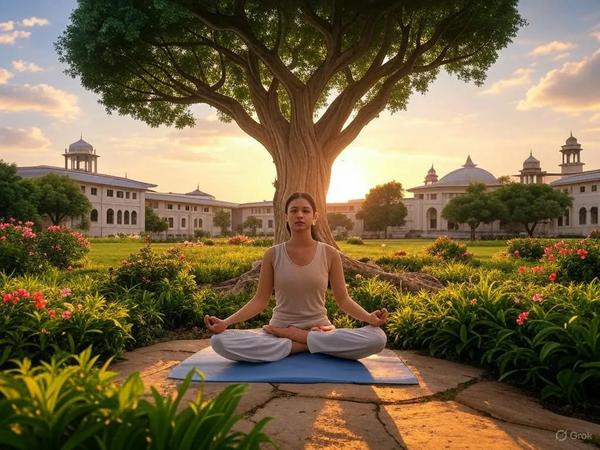
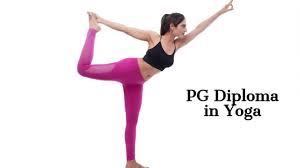
To apply for a Diploma in Yoga, generally you'll need to meet specific eligibility requirements, complete an application form, and pay an application fee. Some institutions may also require you to take an entrance exam.
Eligibility Requirements:
Minimum Qualification:
Most institutions require you to have completed your Class 12th examination or equivalent from a recognized board.
Graduation:
Some institutions also accept candidates who have a graduate degree in any discipline.
Minimum Marks:
For general category candidates, a minimum of 50% marks is often required, while for SC/ST/OBC/PwD candidates, the minimum percentage may be relaxed.
Medical Fitness:
Medical fitness is often a requirement, and some institutions may also require a medical certificate.
Age Limit:
There is generally no age limit for diploma courses in yoga.
Application Process:
Online Registration: Many institutions have online portals for registration and application submission.
Application Form: Fill out the application form online, providing all necessary details.
Document Submission: Attach scanned copies of your required documents, such as passport-sized photos, mark sheets, and other relevant certificates.
Application Fee: Pay the application fee online via the portal.
 Chat with us