
Migraine is more than an ordinary headache, and an Ayurvedic approach is safest when it supports—not replaces—medical diagnosis and proven migraine treatment. By the end, you will know which symptoms need urgent care, what an integrative assessment should include, which Ayurvedic options require supervision, and how to judge whether a plan is helping.
Key takeaways
- Seek urgent care for a sudden thunderclap headache or new neurological symptoms.
- Track attack timing, triggers, aura, medicines, sleep, meals, and menstrual changes.
- Use Ayurvedic therapies alongside—not instead of—prescribed migraine treatment.
- Have Panchakarma planned and supervised by a qualified Ayurvedic physician.
How can you tell migraine from another headache, and when is it urgent?
Migraine is diagnosed from the pattern of attacks, not from a scan, dosha label, or one isolated symptom. Migraine without aura commonly causes a recurrent 4–72-hour headache with at least two features: a one-sided headache, throbbing headache pain, moderate or severe intensity, or worsening with routine activity.
Migraine symptoms also include nausea or vomiting and sensitivity to light and sound. Painlessness is not typical of an active migraine, although aura can occur before pain or without a headache.
Seek urgent medical assessment for these headache red flags:
- A sudden “worst headache” that peaks within seconds or minutes.
- New weakness, numbness, trouble speaking, confusion, fainting, or an unusual visual or neurological symptom.
- Fever with a stiff neck, severe drowsiness, or a rash.
- A new headache after a head injury.
- A first or substantially changed headache during pregnancy or after delivery.
- A new headache beginning after age 50.
Do not start Ayurvedic treatment first when these signs appear. For a first migraine, frequent attacks, changing symptoms, or suspected medication-overuse headache, obtain a medical diagnosis and record attack timing, duration, aura, triggers, sleep, meals, hydration, menstrual pattern, medicines, and blood pressure. Ayurvedic care should complement that evaluation, not replace it.
What should an integrative migraine assessment examine?
An integrative migraine assessment should establish a conventional headache diagnosis before applying Ayurvedic interpretation. Migraine is diagnosed clinically from attack pattern, aura and neurological symptoms; a dosha label or Ayurvedic migraine assessment, including Suryavarta, is not a substitute for neurological evaluation.
The practitioner should document attack frequency, duration, associated symptoms, current medicines, blood pressure, and warning signs.
A headache diary adds detail between appointments. It should record:
- headache days, duration, and severity
- aura, neurological symptoms, nausea, and light or sound sensitivity
- sleep, meals, digestion, hydration, stress, and activity
- suspected migraine triggers and medicines taken
- menstrual cycle timing, if relevant
The practitioner then compares these entries with the clinical pattern rather than assuming every suspected trigger causes an attack. Consistent sleep and meal timing, hydration, and moderate activity may reveal preventable instability; this is more defensible than a universal “migraine diet” or one dosha-specific food rule.
Assessment must also review prescription preventives and blood-pressure medicines, antidepressants, antiseizure medicines, and hormonal treatment. Do not stop them to begin Ayurveda. Discuss herbs before use, especially with pregnancy, breastfeeding, liver or kidney disease, or planned surgery. A new or substantially changed pattern needs medical review, not a dosha-only explanation.
Which Ayurvedic and lifestyle measures can support migraine care?
The most defensible migraine lifestyle changes are consistent meal and sleep times, sufficient water, moderate activity, and avoiding triggers you have confirmed rather than following a universal “migraine diet.” Keep a diary of headache days, duration, severity, symptoms, menstruation, sleep, meals, hydration, stress, medicines, and suspected triggers.
- Try yoga for migraine as an adjunct, not a cure. Gentle stretching and restorative poses are safer during symptom-free periods; stop if movement worsens pain.
- Use slow breathing exercises to reduce stress-related arousal. Do not use forceful breath-holding during an attack.
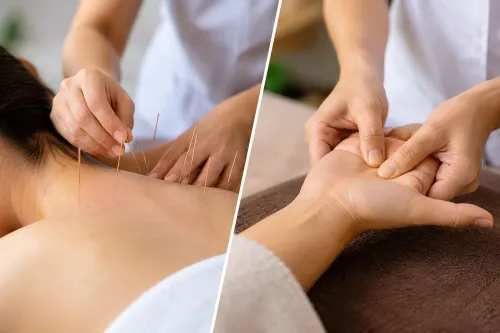
- Gentle migraine massage of the scalp, neck, or shoulders may feel soothing. Stop if touch increases pain.
- Discuss warm or medicated oil therapy with a qualified practitioner, especially if you have skin disease, allergies, or eye symptoms.
| Supportive option | What the evidence supports | Practical limit |
|---|---|---|
| Yoga and breathing | Possible reduction in disability or attack frequency | Studies use varied methods and remain limited |
| Massage and oil therapy | Short-term comfort for some people | Not proven to prevent migraine |
| Ayurvedic herbs and supplements | Evidence for specific formulations is insufficient | Doses, interactions, and contamination vary |
| Labelled Ayurvedic products | Identifiable ingredients and independent testing improve safety | Avoid products containing lead, mercury, or arsenic; tell your clinician |
Ayurvedic migraine treatment should complement prescribed care, not replace it. “Natural” does not guarantee safety: avoid unsupervised Ayurvedic herbs supplements, particularly during pregnancy or with liver, kidney, or blood-clotting problems.
What does Panchakarma for headache care involve, and who should supervise it?
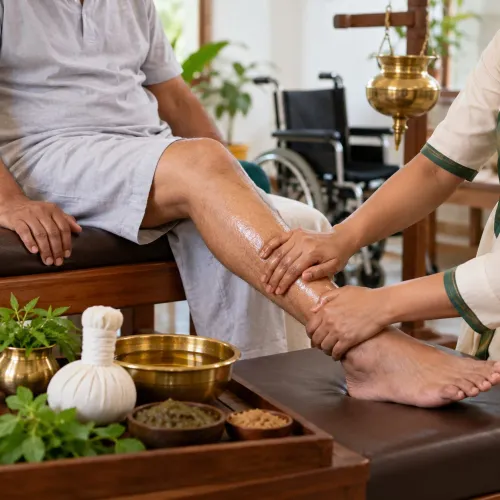
Panchakarma for migraine is not one fixed detox package. An Ayurvedic physician may consider nasya migraine care, in which medicated oil or another preparation is administered through the nose, while shirodhara headache care is usually a relaxation-focused adjunct rather than a cleansing procedure.
Vamana, virechana, and basti involve emesis, purgation, and medicated enemas; they require a stronger clinical justification than a headache label alone.
Preparation and recovery determine the real time commitment. A plan may include several days of oiling, sweating, dietary restriction, bowel preparation, or medication review before the main procedure, followed by rest, gradual meals, hydration, and observation. Stopping prescribed migraine medicine or eating normally without instructions can cause dehydration, withdrawal, or a difficult recovery.
| Procedure | What it involves | Main decision |
|---|---|---|
| Nasya | Nasal administration after local preparation | Consider only after examination of nasal, neurological, and migraine history |
| Vamana, virechana, basti | Emesis, purgation, or enema-based protocols | Use only when an Ayurvedic physician identifies a clear indication |
| Shirodhara | A steady stream of oil or liquid over the forehead | Treat as supportive relaxation, not proven migraine prevention |
A registered Ayurvedic physician should select and monitor the protocol. A trained Panchakarma therapist may perform the hands-on work under direct supervision; training at Chakrapani Panchakarma Yoga Nisargopchar College does not qualify a student to independently diagnose or manage migraine.
Avoid Panchakarma during pregnancy, fever, active infection, dehydration, severe weakness, uncontrolled blood pressure, or unexplained neurological symptoms. Panchakarma safety also requires postponing treatment until urgent medical assessment excludes a serious cause.
How do you combine Ayurvedic support with migraine medicines and measure results?
Take the prescribed acute medicine early in an established attack, following your clinician’s plan. Options can include a triptan, an NSAID or paracetamol, and an antiemetic; opioids are poor routine choices because they increase dependence and medication-overuse risk. Migraine medicines and Ayurveda can coexist, but Ayurvedic products must not replace proven acute or preventive care.
Before adding herbs, oils, or procedures, check:
- Ask a doctor or pharmacist about triptan interactions and every ingredient in the Ayurvedic product, including bhasma or mineral preparations.
- Do not stop a prescribed preventive migraine treatment, antidepressant, antiseizure medicine, blood-pressure medicine, or hormonal treatment without the prescriber’s advice.
- Get specific medical guidance during pregnancy or breastfeeding, with liver or kidney disease, or before planned surgery.
- Watch for medication-overuse headache: use on 10 or more days monthly for over three months can meet overuse criteria for triptans, opioids, ergot medicines, or combination analgesics; the threshold is 15 days for paracetamol or NSAIDs.
Use a migraine headache diary treatment outcomes record: monthly migraine days, acute-medicine days, pain severity, attack duration, nausea, disability, missed work, and function. Set a review date, such as 8 to 12 weeks for a preventive plan, and compare the baseline with follow-up.
Relaxation alone is not treatment success if headaches, disability, or medicine use do not improve. Share the diary with both practitioners before changing the plan.
Frequently asked questions
How can you tell migraine from another headache, and when is it urgent?
Migraine commonly causes recurrent 4–72-hour attacks with one-sided, throbbing, moderate-to-severe pain that worsens with routine activity. Seek urgent care for a sudden thunderclap headache, new weakness, confusion, fainting, seizure, fever with neck stiffness, vision loss, head injury, or a major change in your usual pattern.
What should an integrative migraine assessment examine?
The assessment should review attack frequency, duration, pain location and quality, aura, nausea, light or sound sensitivity, triggers, sleep, meals, hydration, menstrual history, stress, medicines, medical conditions, and your headache diary. A clinician should also check for medication-overuse headache and warning signs requiring conventional evaluation.
Which Ayurvedic and lifestyle measures can support migraine care?
A personalised plan may include regular meals, adequate hydration, consistent sleep, trigger tracking, gentle yoga, breathing practices, stress management, and Ayurvedic care selected after an examination. Avoid starting herbal products without checking interactions, ingredients, dose, and product quality.
What does Panchakarma for headache care involve, and who should supervise it?
Panchakarma is not one standard migraine procedure. Depending on the assessment, an Ayurvedic physician may consider preparatory measures and therapies such as shirodhara or nasya, while excluding situations where cleansing or oil-based treatment is unsafe. A qualified physician should choose, modify, and monitor the plan.
How do you combine Ayurvedic support with migraine medicines and measure results?
Tell every clinician about all medicines, herbs, oils, and supplements you use, and do not stop preventive or acute migraine medicine without medical advice. Track monthly migraine days, attack severity, duration, rescue-medication use, side effects, and function for at least several weeks before reviewing the plan.