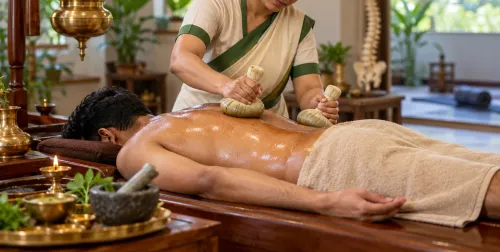
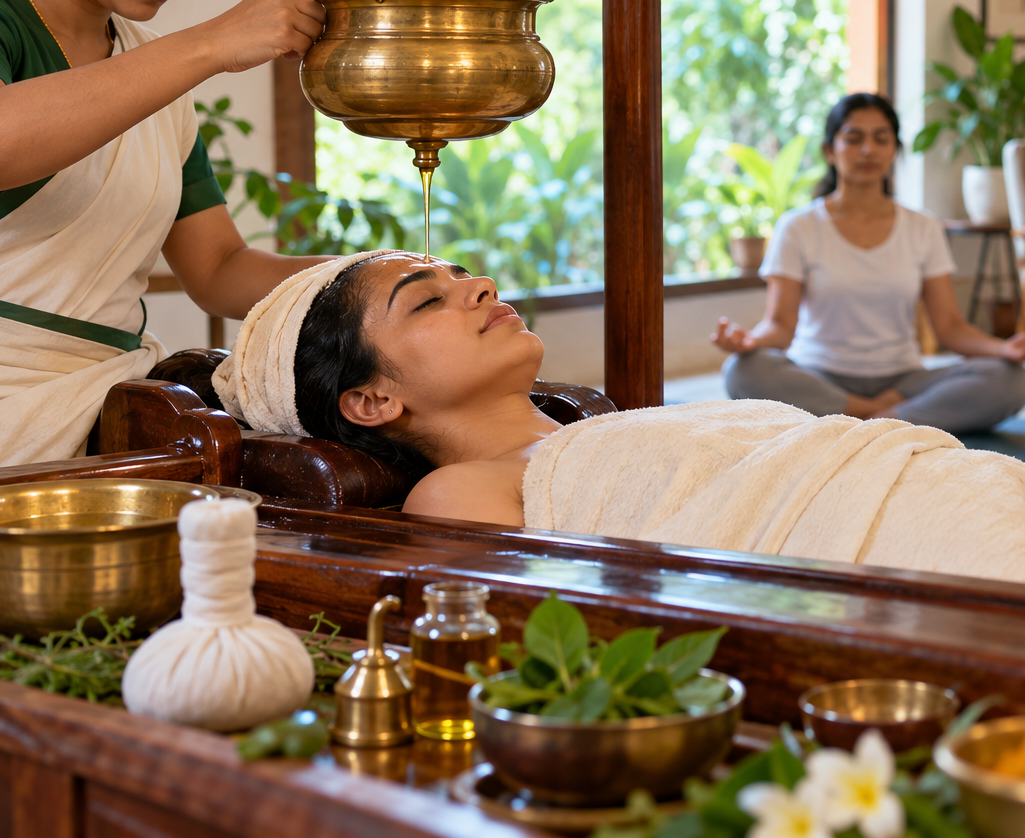
Mental wellbeing can be influenced by stress, sleep, relationships, physical health, work pressures and many other factors. People searching for Psychotherapy Ayurvedic Treatment may be interested in combining traditional wellness practices with approaches that support emotional wellbeing.
It is important, however, to distinguish Ayurvedic supportive care from evidence-based psychotherapy delivered by appropriately trained mental-health professionals.
What Holistic Mental Wellness Can Include
Ayurvedic wellness traditions may consider daily routine, sleep, food habits, relaxation and mind-body practices when discussing wellbeing.
Yoga, breathing exercises and relaxation practices may also help some people develop healthier routines and stress-management skills.
These approaches can be supportive, but they should not automatically be described as substitutes for professional psychological or psychiatric treatment.
What Psychotherapy Actually Means
Psychotherapy involves structured psychological treatment delivered by an appropriately qualified mental-health professional.
Different approaches may be used depending on the person's needs.
Someone experiencing persistent anxiety, depression, trauma-related symptoms, compulsive behaviour or another mental-health concern may require assessment by a qualified professional rather than relying exclusively on wellness therapies.
Where Ayurveda May Have a Supportive Role
A broader wellness programme may focus on sleep routine, lifestyle, relaxation, appropriate Yoga and general wellbeing.
For some people, these practices can sit alongside professional mental-health care.
Coordination is particularly important when the person takes psychiatric medication. Prescribed medicines should not be discontinued because a complementary therapy has been introduced.
What to Discuss Before Starting
Before considering Psychotherapy Ayurvedic Treatment as a complementary wellness approach, discuss relevant health information with qualified professionals.
This can include:
- Current mental-health symptoms
- Existing diagnosis
- Current medication
- Sleep difficulties
- Physical health conditions
- Previous therapies
- Use of supplements
- Significant changes in mood or behaviour
A clear history helps professionals decide which forms of support are appropriate.
Benefits, Risks and Expectations
Yoga, relaxation and structured lifestyle practices may contribute to stress management and overall wellbeing for some individuals.
The main risk arises when complementary wellness approaches delay necessary mental-health treatment.
Severe or rapidly worsening psychological symptoms require professional assessment. A person at immediate risk of harming themselves or someone else needs urgent emergency assistance rather than routine wellness treatment.
How Long Does Improvement Take
There is no universal recovery timeline for mental-health concerns.
Progress depends on the underlying problem, its severity, treatment approach and individual circumstances. Some people require longer-term psychological or psychiatric support.
Post-session care may involve following the agreed treatment plan, maintaining sleep and activity routines, practising appropriate relaxation techniques and attending scheduled follow-ups.
Chakrapani Panchakarma Yoga Nisargopchar College in Nagpur provides education across Yoga, naturopathy, Ayurveda-related wellness and allied healthcare disciplines. For students entering wellness fields, mental-health education should include a clear understanding of professional boundaries and timely referral.
Frequently Asked Questions
Is Ayurvedic wellness care the same as psychotherapy
No. Psychotherapy is a specific mental-health intervention delivered by appropriately trained professionals. Ayurvedic wellness practices are different, although complementary approaches may sometimes be incorporated into a broader care plan.
Can Yoga help with stress
Yoga and relaxation practices may support stress management for some people when appropriately selected.
Should psychiatric medicines be stopped before Ayurvedic therapy
No prescribed psychiatric medication should be stopped without guidance from the treating medical professional.
How do I know when specialist care is needed
Persistent symptoms, major impairment in daily functioning, severe mood changes and safety concerns are important reasons to seek qualified mental-health assessment.
The most responsible holistic approach recognizes that traditional wellness practices and professional mental-health services have different roles. Understanding those roles allows individuals to seek appropriate support without delaying necessary care.
Keywords