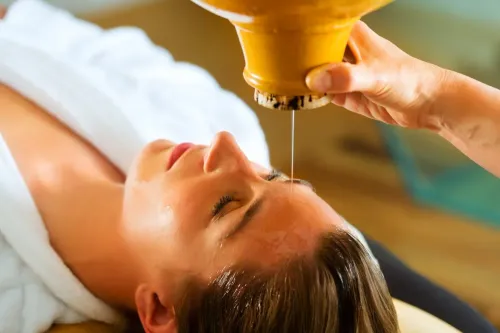


The term detox is widely used in wellness marketing, often without a clear medical definition. Detox Therapy Panchakarma is better understood within its traditional Ayurvedic context rather than as a quick cleanse promising to remove unspecified toxins from the body.
For people in Nagpur exploring Panchakarma-based wellness, understanding what the process can realistically involve helps prevent inappropriate self-treatment.
What Panchakarma Detox Usually Refers To
Panchakarma is a classical Ayurvedic therapeutic framework. Depending on assessment, selected preparatory, principal and recovery practices may be recommended.
It should not be confused with commercial juice cleanses, fasting challenges or unsupervised laxative programmes.
The human body already has organs responsible for processing and eliminating metabolic waste. Claims that a particular wellness procedure removes every toxin should therefore be viewed critically.
Who Needs Assessment First
A practitioner should evaluate the person before recommending intensive therapy.
Important considerations can include:
- Age
- General physical condition
- Current symptoms
- Existing diseases
- Digestive health
- Current medications
- Previous treatment
- Pregnancy status where relevant
The goal is to determine whether a procedure is appropriate rather than automatically putting everyone through the same package.
Potential Wellness Benefits
A structured Ayurvedic programme may encourage participants to pay closer attention to meals, sleep, physical activity and daily routines.
Some people also value the relaxation and structured lifestyle associated with supervised wellness programmes.
These potential benefits should not be converted into promises that Panchakarma cures every medical disease.
Risks of Unsupervised Detoxification
Aggressive fasting, inappropriate purgation and other unsupervised practices may lead to problems including dehydration, weakness and electrolyte disturbances.
Risks may be greater for people taking medicines or living with chronic health conditions.
For this reason, internet-based detox instructions should not replace individualized professional assessment.
Preparing for a Programme
Before beginning Detox Therapy Panchakarma, patients should provide accurate information about their health and medication.
Any prescribed preparatory diet or routine should be followed as directed. Patients should also understand how much time they need for treatment and recovery.
Avoid combining multiple cleansing methods unless specifically recommended.
What Happens Afterward
Post-treatment care can be particularly important following intensive procedures.
Food may need to be reintroduced according to professional advice, while strenuous activity may temporarily be limited. Hydration and adequate rest may also be important depending on the treatment performed.
Chakrapani Panchakarma Yoga Nisargopchar College in Nagpur introduces students to areas connected with Ayurveda, Panchakarma, Yoga and natural wellness education. Understanding safety principles can help learners distinguish responsible therapeutic education from exaggerated wellness claims.
Frequently Asked Questions
Does Panchakarma remove all toxins
Such a broad claim cannot be scientifically guaranteed. Panchakarma should be understood within its Ayurvedic therapeutic framework.
Is fasting compulsory
Not necessarily. Dietary recommendations depend on the individual and the selected programme.
How long does recovery take
Recovery varies according to the procedure, intensity and individual health status.
Can people taking medicines undergo treatment
They should disclose all medications and obtain appropriate professional guidance before beginning treatment.
Responsible Panchakarma starts with assessment and ends with appropriate recovery care. The word detox should never replace a clear explanation of what will actually be done and why.