Back and neck pain can result from muscle strain, poor posture, age-related changes, disc problems, injuries and several other conditions. Because the causes vary widely, Ayurvedic Spine Treatment Nagpur searches should lead first to proper assessment rather than a standard therapy package.
People experiencing spinal pain need to understand what supportive Ayurvedic care can offer and when specialist medical assessment is necessary.
Finding the Cause Comes First
Not every episode of back pain has the same cause.
A clinical assessment may be necessary when pain is persistent, severe or accompanied by neurological symptoms. Existing imaging and medical reports can provide useful context.
Urgent medical evaluation is particularly important when back pain occurs with progressive weakness, significant numbness, bowel or bladder changes, major trauma, fever or other concerning symptoms.
What Supportive Ayurvedic Care May Include
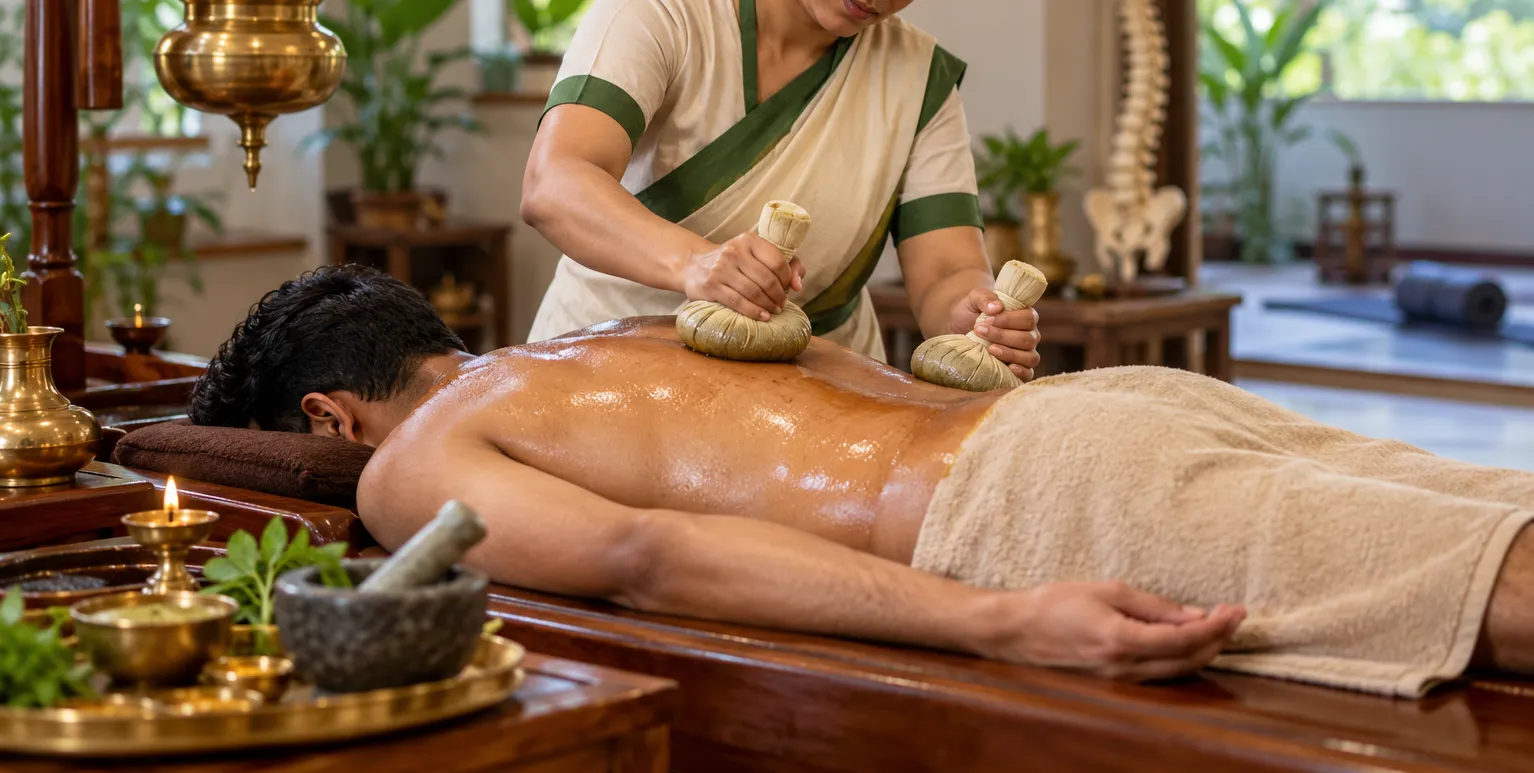
Depending on assessment, Ayurvedic care may involve lifestyle advice, external therapies and professionally selected medicines.
Yoga-related movement may sometimes be incorporated into rehabilitation when appropriate.
The purpose should be clearly explained. Patients should know whether the approach is intended to improve comfort, mobility or general wellbeing rather than being given unrealistic promises about reversing structural spinal disease.
Preparing for Therapy
Before beginning treatment, share:
- Previous diagnoses
- X-ray or MRI findings when available
- Current medicines
- Previous surgery
- Areas of numbness
- History of injuries
- Other significant medical conditions
This information can help practitioners identify situations where treatment needs modification or referral.
Recovery Time Varies
Muscular discomfort may follow a different recovery pattern from nerve compression, degenerative disease or post-injury pain.
There is therefore no single recovery period for Ayurvedic Spine Treatment Nagpur patients.
A practitioner should explain the expected treatment schedule and criteria for reassessment.
Benefits and Risks
Some supportive therapies may help patients with relaxation, mobility and symptom management. Appropriate Yoga practices can also contribute to flexibility and body awareness.
Risks arise when vigorous manipulation, unsuitable exercises or inappropriate procedures are used without understanding the underlying spinal problem.
Any increase in neurological symptoms should be taken seriously.
Post-Treatment Care
Patients may be advised to modify activity temporarily and gradually resume movement. Ergonomics, appropriate exercise and posture may form part of longer-term management.
If a medical specialist or physiotherapist has already provided restrictions, these should be communicated before additional therapy begins.
Chakrapani Panchakarma Yoga Nisargopchar College in Nagpur provides education in wellness and allied health disciplines. Spine-related learning is especially useful for demonstrating why anatomy, contraindications and referral decisions matter in responsible healthcare education.
Frequently Asked Questions
Can Ayurveda treat every slipped disc
No single treatment can be guaranteed to resolve every disc-related problem. Severity and neurological involvement need proper assessment.
Is complete bed rest recommended for back pain
Recommendations depend on the diagnosis. Prolonged bed rest is not automatically appropriate for routine back pain.
Can Yoga be started during severe pain
Exercise selection should depend on the cause and severity of symptoms. Seek professional guidance first.
The safest spine-care plan is one built around an accurate understanding of the problem, realistic goals and coordinated treatment rather than a one-size-fits-all procedure.
Keywords