Selecting a Naturopathy and Yoga College requires more careful evaluation than comparing course names. Students are preparing for a field involving human health, wellness education and practical interaction, so the quality of academic and practical training matters considerably.
Students searching in Nagpur and elsewhere in Maharashtra should examine the complete learning environment before applying.
Start With the Curriculum
A strong programme should provide a logical progression from fundamental concepts to practical learning.
Depending on the course, students may encounter topics such as:
- Anatomy and physiology
- Yoga theory
- Yoga practicals
- Naturopathy principles
- Nutrition
- Lifestyle and wellness education
- Health and hygiene
- Communication
- Basic assessment concepts
- Professional responsibilities
Instead of choosing a programme because it has a long list of subjects, determine how those subjects are taught.
Evaluate Practical Exposure
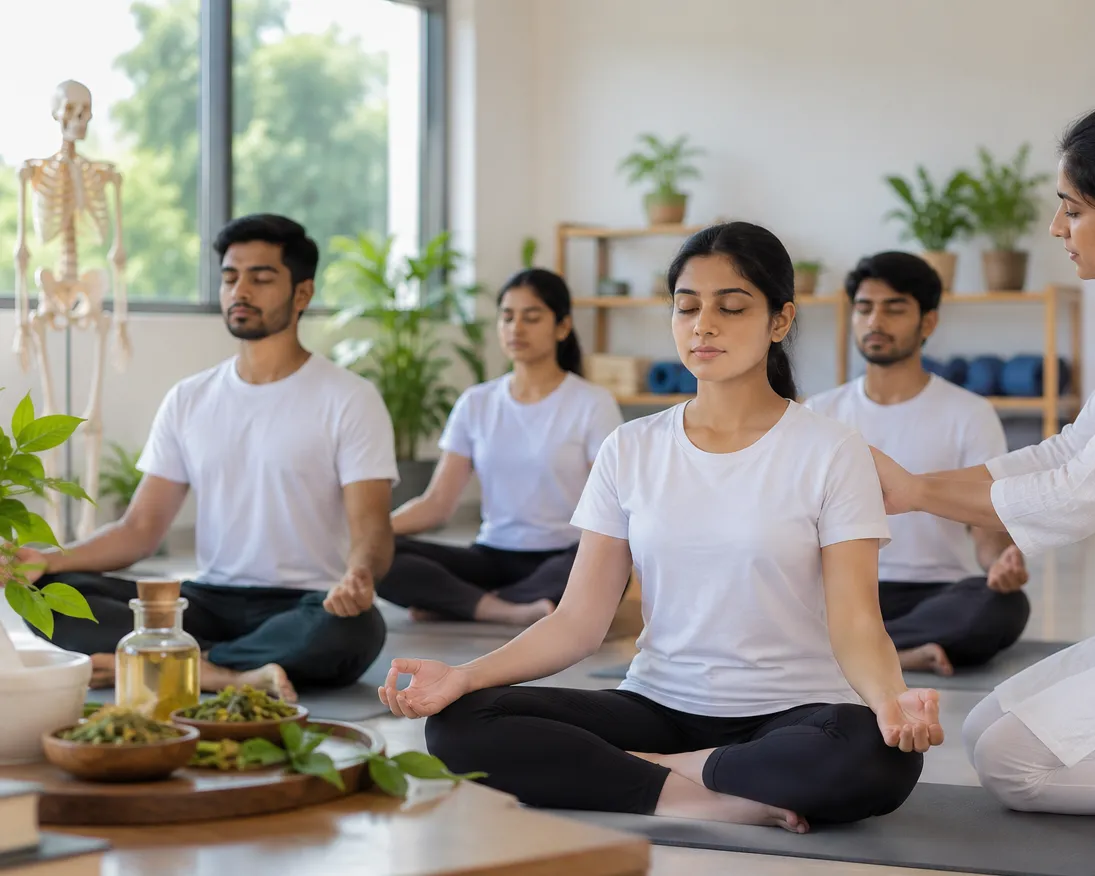
Practical learning is especially important in Yoga and naturopathy education.
For Yoga, students should learn correct postures, breathing techniques, contraindications and safe instruction. Naturopathy-related education should also emphasize hygiene, responsible wellness practices and recognition of situations requiring medical referral.
Ask how frequently practical classes take place and how students are supervised.
Look Beyond Infrastructure
A visually impressive campus does not automatically indicate strong education.
Useful facilities should support actual learning. Depending on the programme, this may include appropriate classrooms, Yoga practice areas and facilities relevant to practical instruction.
Faculty guidance is equally important. Students should understand who teaches major subjects and how theoretical concepts are connected with practical applications.
Check Course Recognition Carefully
Before joining any Naturopathy and Yoga College, students should confirm the exact name, duration and status of the programme.
Do not assume that similarly named certificates and diplomas provide identical career eligibility.
Ask the institute to explain:
- Awarding body where applicable
- Eligibility criteria
- Examination system
- Certification process
- Attendance requirements
- Practical requirements
- Intended career scope
This is particularly important for students planning further studies.
Consider the Professional Scope
Wellness professionals need to understand boundaries.
Learning about Yoga or natural wellness does not automatically qualify someone to diagnose every disease, prescribe medication or perform medical procedures.
Good education should develop professional judgment as well as technical knowledge. Knowing when to refer a person to a doctor is an important part of responsible practice.
Planning for Study in Nagpur
Nagpur serves students from the city as well as surrounding parts of Maharashtra and central India. Applicants travelling for education should consider daily transport, class schedules, practical attendance and the total duration of the programme.
Chakrapani Panchakarma Yoga Nisargopchar College is one of the educational options students interested in Yoga, naturopathy, Panchakarma and allied health learning may investigate. Prospective students should review current course information and determine whether it aligns with their intended career path.
Frequently Asked Questions
What is the most important factor when selecting a college
There is no single factor. Curriculum quality, practical exposure, faculty, programme status and career relevance should be evaluated together.
Is practical Yoga training important
Yes. Practical instruction helps students understand technique, safety, contraindications and teaching methods.
Should career scope be checked before admission
Absolutely. Students should understand what the qualification is intended for and what additional education may be needed.
A good college choice begins with asking detailed questions. Students who evaluate the curriculum and professional scope before enrolling are better positioned to build meaningful skills rather than simply collect a certificate.
Keywords