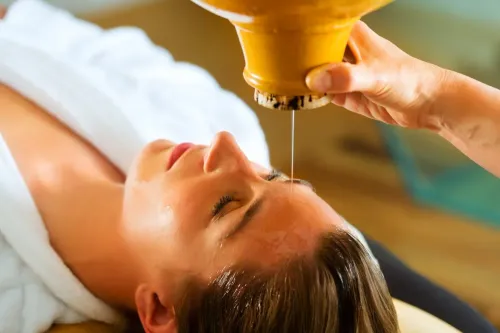

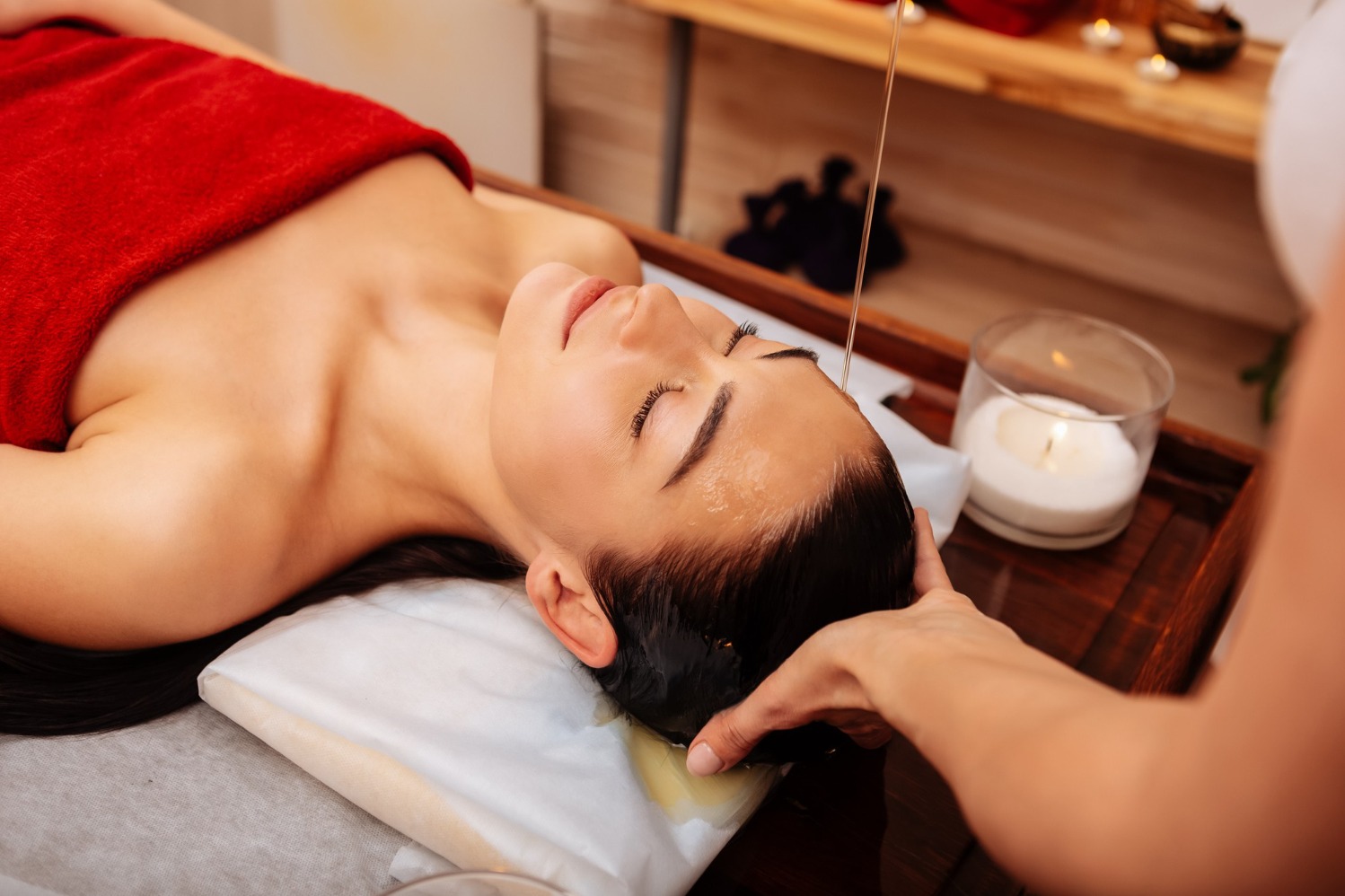
Panchakarma Treatment is frequently associated with Ayurvedic cleansing and rejuvenation programmes, but it should not be understood as a single standard procedure. Classical Panchakarma encompasses specific therapeutic approaches, and the suitability of any procedure depends on professional assessment.
People exploring Panchakarma in Nagpur should understand what happens before, during and after a supervised programme.
Assessment Comes First
The process should begin with consultation rather than immediately selecting a therapy.
The practitioner may review health history, current symptoms, digestive patterns, physical condition, medications and relevant medical reports.
This assessment helps identify whether Panchakarma is suitable and which precautions may be necessary.
Understanding the Treatment Stages
Traditional Panchakarma programmes may involve preparatory measures before a principal procedure. The exact sequence varies according to the person's needs.
Preparatory practices may include carefully selected internal or external approaches prescribed by an appropriately qualified practitioner.
The main therapeutic stage is then chosen according to assessment rather than personal preference.
Afterward, a recovery period may include dietary progression, rest and lifestyle guidance.
How Much Time Is Required
There is no fixed duration suitable for everyone.
A programme may extend across multiple days depending on the therapy, health status and treatment objective. Recovery time also differs.
Patients planning treatment should therefore ask about both the therapy schedule and the period needed afterward before returning to demanding activities.
Potential Benefits and Risks
People often explore Panchakarma for wellness, lifestyle support and Ayurvedic management of selected concerns.
However, therapeutic procedures can also produce adverse effects when performed incorrectly or used in unsuitable individuals. Possible problems may include dehydration, digestive disturbance, weakness or aggravation of existing health concerns, depending on the procedure.
This makes supervision particularly important.
Preparing for Panchakarma
Before treatment:
- Share your complete health history.
- Disclose all medications and supplements.
- Discuss allergies.
- Provide relevant medical reports.
- Follow dietary instructions provided by the practitioner.
- Avoid self-administering intensive cleansing methods.
People with significant medical conditions should discuss the proposed treatment with appropriate healthcare professionals.
Post-Treatment Care Matters
Recovery instructions are part of the programme rather than an optional extra.
A practitioner may recommend temporary dietary modifications, rest and gradual return to usual food and physical activity. The exact advice depends on the procedure.
Chakrapani Panchakarma Yoga Nisargopchar College in Nagpur provides an academic setting for students interested in Panchakarma, Yoga, naturopathy and related wellness education. For future practitioners and wellness professionals, learning patient selection, hygiene and contraindications is essential alongside practical techniques.
Frequently Asked Questions
Is Panchakarma simply a massage programme
No. Ayurvedic massage may be used within some programmes, but Panchakarma refers to a broader therapeutic framework.
Can everyone undergo Panchakarma
No. Suitability depends on health status and the specific procedure being considered.
Can I perform Panchakarma at home
Intensive therapeutic procedures should not be attempted simply from online instructions. Professional assessment and supervision are important.
How soon can normal activities resume
Recovery depends on the procedure and individual response. Follow the practitioner's post-treatment instructions.
A properly planned programme is therefore defined less by how many therapies are included and more by whether assessment, procedure selection and aftercare are handled responsibly.