Paralysis describes loss of movement or strength, not one disease with one treatment. You will learn when it signals an emergency, which rehabilitation goals matter, how Ayurvedic care may complement neurological treatment, and what safety checks to complete before massage, yoga, herbal products or Panchakarma.
Key takeaways
- Treat sudden weakness as a medical emergency.
- Set rehabilitation goals around walking, transfers, speech or self-care.
- Use Ayurvedic care alongside, not instead of, neurological rehabilitation.
- Get medical clearance before massage, yoga or Panchakarma.
Paralysis Has Many Causes—And Sudden Weakness Is an Emergency
Paralysis describes a loss of movement or strength, not one diagnosis. Doctors identify the cause by asking when symptoms began, whether they affect one side or both legs, and whether pain, numbness, fever, seizures, injury, or bladder and bowel changes occurred.
They test strength, sensation, reflexes, speech, vision and coordination, then choose tests such as brain or spine CT or MRI, blood tests, and nerve-conduction studies.
Common paralysis causes include:
- Stroke or bleeding in the brain
- Spinal cord injury after trauma or compression
- Traumatic brain injury
- Multiple sclerosis
- Cerebral palsy
- Peripheral nerve damage
Sudden one-sided weakness is an emergency. Call your local emergency service for facial drooping, arm weakness, speech difficulty, sudden vision loss, loss of balance, confusion, or a severe unexplained headache; these are stroke symptoms, and treatment is time-dependent.
Do not wait for symptoms to improve, drive the person yourself, or try massage, yoga, oral remedies or Panchakarma first. Keep the person safe and note the time they were last known well.
New weakness after an accident, or weakness with severe back or neck pain and loss of bladder or bowel control, also requires immediate assessment for spinal cord injury. If the person coughs while eating, has a wet voice, retains food in the cheek or becomes breathless, give nothing by mouth until swallowing is assessed.
Ayurvedic care belongs alongside cause-specific treatment and rehabilitation, never instead of emergency care.
Build Rehabilitation Around the Function You Need to Regain
A rehabilitation programme should restore safe function and participation, not simply produce stronger muscles. Set paralysis rehabilitation goals around what you need to do: sit without falling, transfer from bed to chair, stand, walk, use your hand, communicate, swallow safely, manage continence, protect your skin and complete daily activities with less help.
- Measure progress with specific tasks, such as five safe sit-to-stands, 10 minutes of supported walking, buttoning a shirt or completing a supervised communication exercise.
- Ask for a swallowing assessment before giving food, drink, medicines or Ayurvedic oils by mouth if you cough during meals, retain food in your cheek or develop a wet, gurgly voice.
- Review the home programme regularly; relaxation alone does not prove that a treatment improves safety, independence or quality of life.
The team should coordinate around the same functional targets and share the diagnosis, imaging, medicines, blood pressure, glucose status, seizure history, swallowing status and fall history.
| Function | Main professional | Practical focus |
|---|---|---|
| Walking, balance and transfers | Physiotherapist | Strength, motor control, standing and gait practice |
| Dressing, bathing and hand use | Occupational therapist | Daily tasks, equipment and safe independence |
| Speech, communication and swallowing | Speech and swallowing therapist | Language practice, speech clarity and aspiration prevention |
| Mood, memory and adjustment | Psychologist or neuropsychologist | Cognition, motivation, anxiety and coping |
| Medical stability and treatment coordination | Neurologist and rehabilitation physician | Cause-specific care, complications and team review |
An Ayurvedic practitioner can join this team only with full information and a clear agreement that supportive care does not replace prescribed rehabilitation.
Use Ayurvedic Care as a Complement to Neurological Rehabilitation
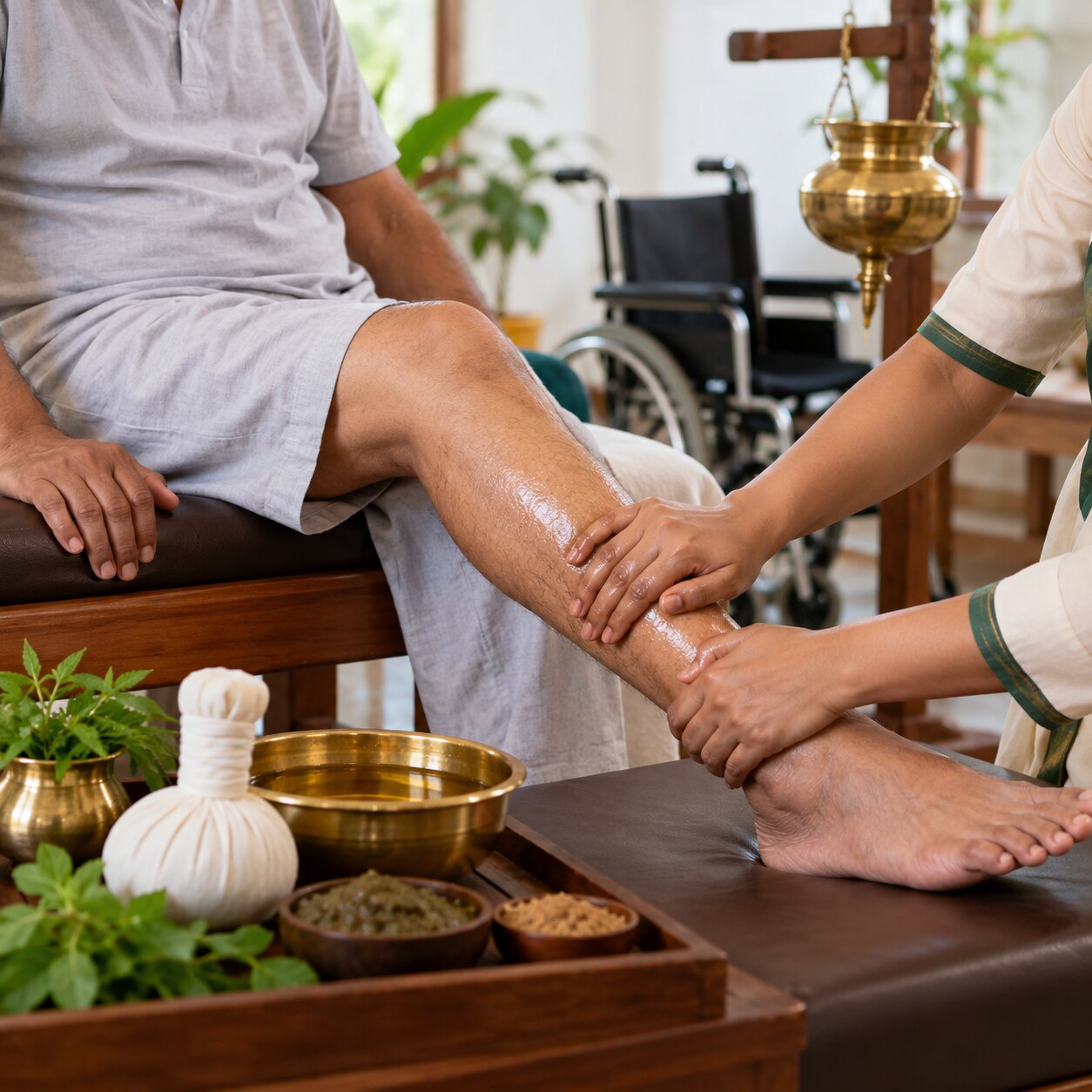
Use Ayurvedic treatment for paralysis as supportive care around a neurologist-led rehabilitation plan, not as a way to repair damaged nerves or reverse paralysis. It can improve comfort and readiness for practice when a qualified clinician adapts it to your impairments, medicines and transfer safety.
| Intervention | Possible contribution | Boundary |
|---|---|---|
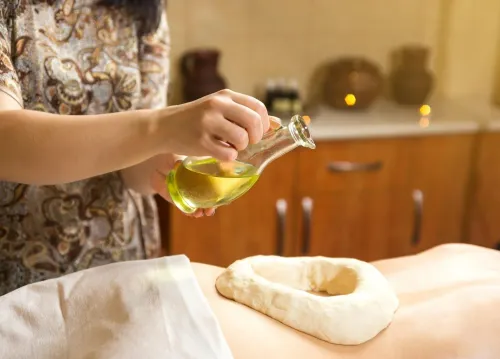
| Abhyanga | Relaxation, comfort and an opportunity for gentle assisted movement | Avoid vigorous pressure over painful, swollen, numb or recently injured areas |
| Local oil application | May soothe dry or uncomfortable skin and make positioning practice easier | Check ingredients; prevent burns from heated oil, steam or hot compresses |
| Therapeutic yoga breathing | Slower breathing, attention control and calmer participation in therapy | Use supported positions; stop for dizziness, breathlessness or fatigue |
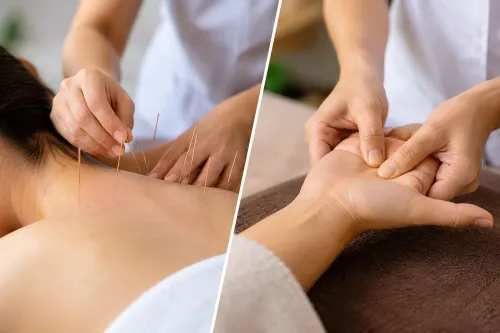
Ask the Ayurvedic practitioner to coordinate timing and precautions with physiotherapy, occupational therapy, speech and swallowing therapy, or nursing care. Massage should not replace walking practice, hand training, communication exercises, swallowing assessment or prescribed medicines.
Link every session to a measurable goal, such as five supervised sit-to-stands, ten minutes of supported walking, safer dressing or completing a communication task. Stop and seek review if pain, swelling, skin changes, dizziness or unusual fatigue increases. Feeling relaxed is useful, but it does not prove better movement, safety, independence or quality of life.
Check Medical Readiness Before Massage, Yoga or Panchakarma
Do not begin massage, yoga, oral herbs or Panchakarma until a clinician confirms the diagnosis is stable and the person can tolerate the activity. Sudden weakness, facial droop, speech trouble, loss of balance or severe headache requires emergency assessment, not home treatment.
1. Share the diagnosis, imaging, blood pressure, glucose, seizure history, heart or lung disease, and recent infections.
2. Bring every medicine and supplement, with dose and timing. Anticoagulants, insulin, sedatives and blood-pressure drugs change bleeding, glucose, alertness and fall risks; never stop prescribed treatment.
3. Treat swallowing difficulty as a stop sign. Give no food, drink, oral medicine or Ayurvedic oil by mouth if coughing during meals, a wet or gurgly voice, cheek-pocketing or breathlessness occurs until swallowing is assessed.
4. Check reduced sensation, skin breaks, pressure sores, swelling, fractures, osteoporosis, joint instability, spasticity, contractures, balance and blood-pressure drops on standing before touch or exercise.
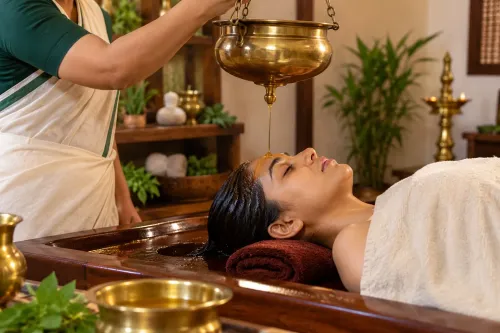
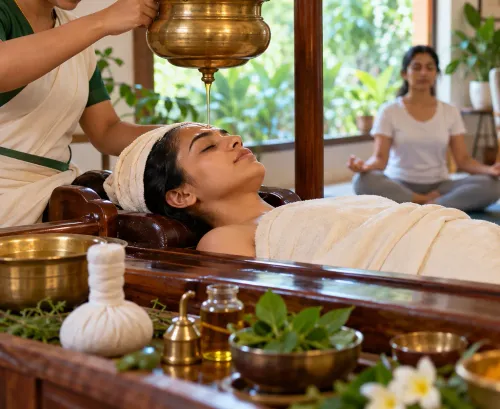
5. For Panchakarma safety, record hydration, bowel function and medical restrictions. Avoid heat, forceful stretching or any procedure that worsens dizziness, pain, fatigue or skin redness.
For massage after stroke, use positioning and pressure approved by the rehabilitation team, especially over numb or fragile skin. Stop and report new weakness, chest pain, breathlessness, fainting or persistent pain. Give practitioners the same records so Ayurvedic care fits neurological rehabilitation.
Choose a Qualified Team and Measure Whether the Programme Helps
Choose a team that can coordinate care, not merely offer several therapies. Verify Ayurvedic practitioner qualifications, registration and scope of practice; ask who diagnoses the neurological condition, manages emergencies and refers you to a neurologist or rehabilitation physician.
When assessing training options, Chakrapani Panchakarma Yoga Nisargopchar College can prompt a useful question: does the course teach contraindications, documentation and referral, or only treatment technique?
Before the first session, give every practitioner one written medication and health summary:
- Diagnosis, imaging reports, seizures, blood pressure and glucose readings.
- All medicines, including anticoagulants, antiplatelet drugs, anticonvulsants and diabetes or blood-pressure treatment.
- Swallowing difficulty, skin breaks, numbness, painful swelling and previous falls.
- Every herb or mineral product, with its full ingredient list, dose and manufacturer.
Do not assume “natural” means safe. Herbal medicine interactions can alter bleeding, blood pressure, glucose or seizure control; some Ayurvedic preparations have contained lead, mercury or arsenic. Stop products or procedures that promise to cure paralysis, replace rehabilitation or guarantee recovery.
Track rehabilitation outcome measures at baseline and at agreed review dates, using the same task each time.
| Measure | Useful evidence | Warning sign |
|---|---|---|
| Walking | 10-Metre Walk Test or transfer assistance | Slower or less safe performance |
| Hand and daily tasks | Fugl-Meyer findings, dressing or utensil use | More help required |
| Speech and swallowing | Clinician-rated speech and safe meal observations | Coughing or weight loss |
Comfort after massage matters, but it does not prove nerve recovery. Pain, burns, new weakness or falls require prompt review.
Related products
 | Diploma in Panchakarma and Message Technician Diploma in Panchakarma and Message Technician A Diploma in Panchakarma and Massage Therapy, often referred to as a Panchakarma and Massage Technician course, equips individuals with the knowledge... View product → |
 | Diploma in Panchakarma Course Overview: The Panchakarma Diploma Course is designed to equip students with a deep understanding of Panchakarma principles, therapies, and... View product → |
Frequently asked questions
When is paralysis an emergency?
Sudden weakness requires emergency assessment, especially with one-sided weakness, speech trouble, facial drooping, seizures, severe headache or confusion.
How should rehabilitation goals be chosen?
Choose measurable goals tied to daily function, such as standing from a chair, walking a set distance, using a hand or managing self-care.
Can Ayurvedic treatment replace neurological rehabilitation?
No. Ayurvedic care should complement medical treatment, physiotherapy, occupational therapy, speech therapy and other prescribed rehabilitation.
When should you avoid massage, yoga or Panchakarma?
Wait for medical clearance after an acute stroke, unstable blood pressure, fever, infection, recent surgery, severe swallowing problems or unexplained worsening.
Related products
 | Diploma Course in Physiotherapy Diploma Course in Physiotherapy A Diploma in Physiotherapy (DPT) is a two-year program that provides students with foundational knowledge and practical skills in the field of... View product → |
 | M.A in Yoga M.A in Yoga An M.A. (Master of Arts) in Yoga is a two-year postgraduate degree that focuses on the fundamentals of human consciousness and yogic science. |
 | B.Sc.- Yoga Naturopathy and Dietetics B.Sc.- Yoga Naturopathy and Dietetics B.Sc. in Yoga Naturopathy and Dietetics (or a related field like Yoga Science and Naturopathy) provides a comprehensive understanding of these... View product → |