A Panchakarma visit can range from a short oil-massage appointment to a medically supervised, multi-day program involving preparation, cleansing procedures and dietary recovery. Knowing the schedule, practitioner’s qualifications, treatment risks and aftercare instructions helps you choose an appropriate service and recognize when a symptom needs medical attention.
Key takeaways
- Confirm an Ayurvedic physician performs your initial assessment.
- Ask for every planned procedure, preparation step and programme length in writing.
- Follow the centre’s food, rest and medicine instructions during recovery.
- Compare supervision, inclusions, cancellation terms and total cost before paying.
From Booking to Discharge: The Typical Visit Timeline
A Panchakarma visit starts with screening, not a massage. During the phone call or online booking, ask whether an Ayurvedic physician will conduct the initial assessment, which procedures are planned, how long the programme lasts, and what preparation is required.
Describe your health concerns and give a complete medication list; do not stop insulin, steroids, seizure medicines, anticoagulants, blood-pressure drugs or psychiatric medicines without the prescribing clinician’s advice.
1. Registration: At arrival, provide identification, contact details, medical records and consent forms. Record allergies, pregnancy status, chronic illness and current medicines.
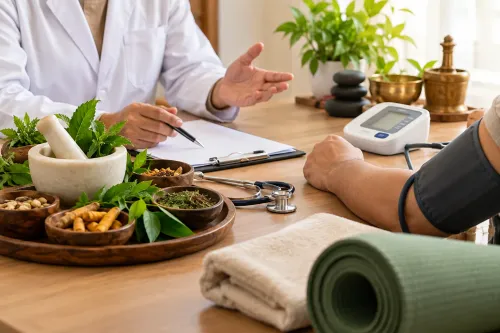
2. Initial assessment: The Ayurvedic physician discusses symptoms, digestion, sleep, previous procedures and treatment goals, then examines you and decides whether treatment is appropriate. A short wellness session may end here with one limited therapy; a multi-day programme includes scheduled reviews.
3. Treatment plan: Confirm the procedure, preparation, expected sensations, session length, privacy arrangements and stopping rules. Ask for the name and ingredients of every oil, powder or nasal preparation, especially if nasya is planned.
4. Daily therapy: Staff complete the prescribed preparation, deliver the treatment and note your response. Report severe pain, breathing difficulty, faintness, heavy bleeding or persistent vomiting immediately.
5. Review and discharge: The physician checks your condition, explains food, activity, medicines and follow-up, and gives written instructions. You should leave knowing which symptoms require urgent medical care and whom to contact.
What the Ayurvedic Physician Asks Before Selecting a Procedure
A procedure should follow an Ayurvedic consultation, not a package menu. The Ayurvedic physician needs your symptoms, digestion, sleep and bowel habits, medicines, allergies, pregnancy status, chronic illnesses, previous procedures and the stated Ayurvedic diagnosis. Tell them about diabetes, high blood pressure, kidney or liver disease, recent surgery and any treatment you have stopped.
- Ask which procedure is proposed and why it suits your condition. Panchakarma may refer to vamana, virechana, basti, nasya or raktamokshana, but many centres offer only selected therapies.
- Ask who will conduct the assessment and supervise the active procedure. Request the Ayurvedic physician’s qualification and registration details, then verify registration with the relevant statutory system in India.
- Request a written plan naming the procedure, ingredients, duration, fees, foreseeable risks, preparation, aftercare and follow-up. Do not pay for a fixed multi-day course before this review.
- Inspect every medicine, oil, powder or tablet. The label should show the product name, ingredients, manufacturer, batch information and testing; reject anything unlabeled.
Suitability also depends on what the centre does when you deteriorate. Before treatment, ask who monitors you during vomiting, purgation or an enema, which symptoms stop the procedure, and which hospital or clinician receives emergency referrals. Claims that Panchakarma cures cancer, replaces diabetes or blood-pressure medicines, or reverses organ disease are warning signs.
A short wellness session is not the same as a medically supervised Panchakarma programme.
What Happens in the Treatment Room
Expect a treatment room that is quiet, warm and arranged for one procedure at a time, not a spa massage area. The practitioner should explain the steps, check your comfort and tell you whom to alert if pain, nausea, dizziness or breathlessness develops.
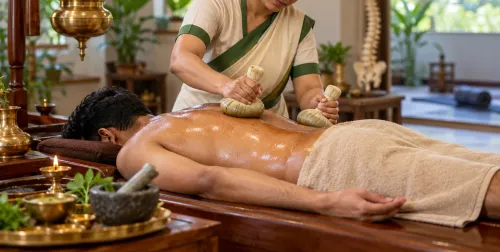
- Abhyanga feels like a warm-oil massage using steady strokes and moderate pressure. Tell the therapist immediately if pressure hurts or you feel faint.
- Svedana uses enclosed or localized heat to produce sweating. You should be able to exit quickly and control the heat; excessive heat is not proof of effectiveness.
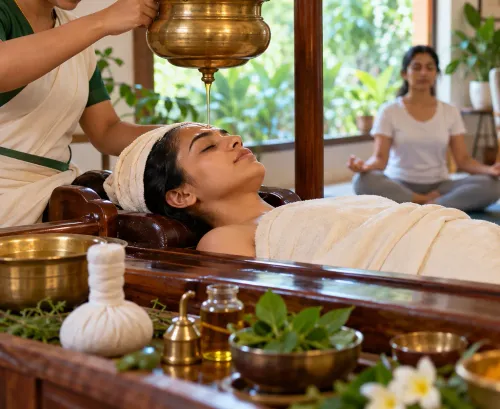
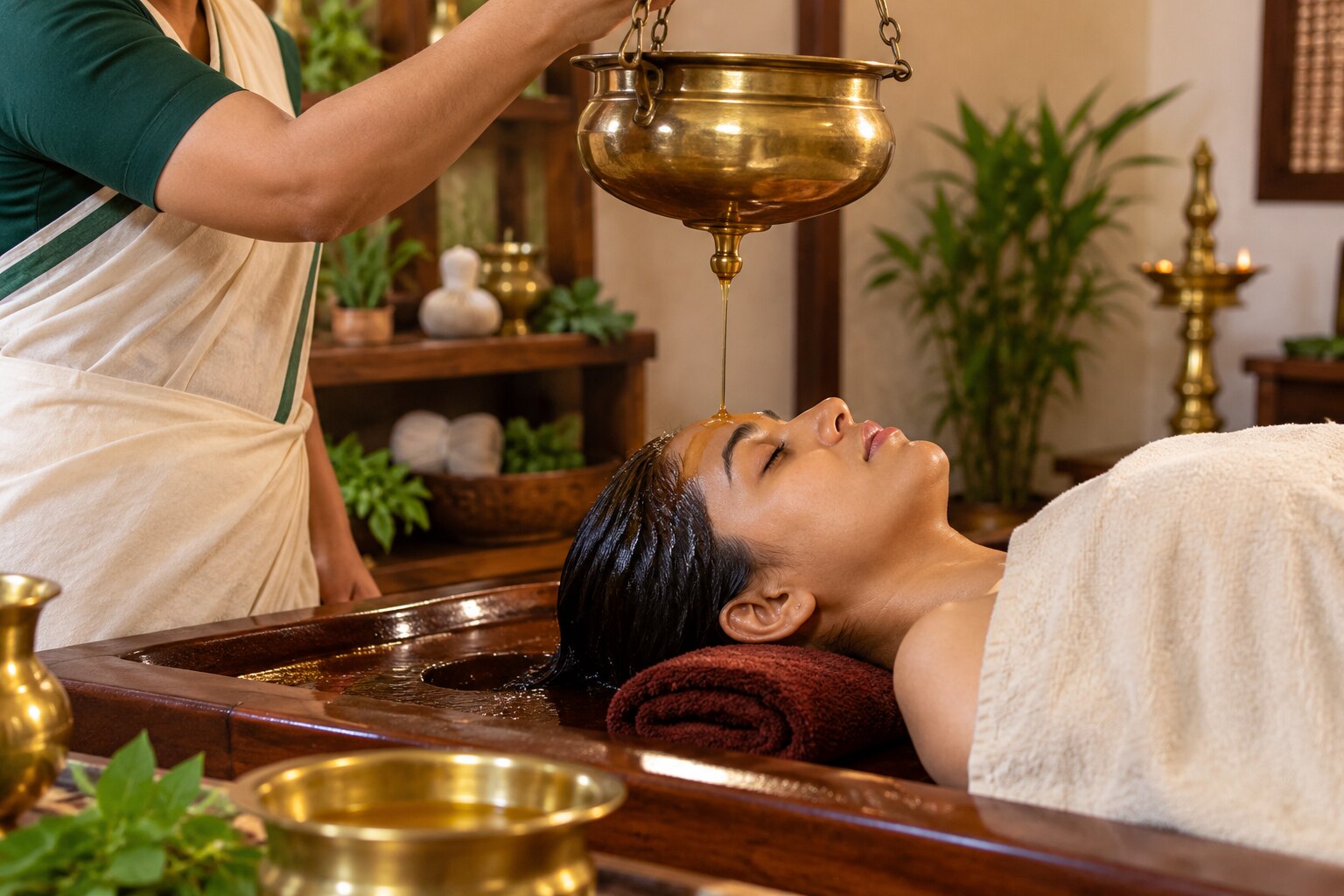
- Shirodhara feels like a continuous stream of warm oil across the forehead. Protect your eyes and scalp from unwanted contact, and report burning, headache or discomfort.
- Basti involves administering liquid through the rectum. Expect clear instructions, privacy and time near a toilet; the equipment should be clean and single-use where appropriate.
You should receive a private space, a clean sheet or disposable drape, and instructions about removing only the clothing needed for the procedure. Ask whether staff change linens between clients, wash their hands and use gloves for procedures involving body fluids. Equipment should be visibly clean, intact and appropriate for the treatment.
Confirm the planned start and end time before treatment begins. A short therapy may take less than an hour, while preparation, positioning, recovery and observation extend the visit; a multi-day programme includes repeated reviews. You can pause or refuse any step.
Food, Rest and Safety During Preparation and Recovery
Bring a complete medication list, allergy details, emergency contact, comfortable loose clothing and any written instructions from your physician. Do not stop insulin, steroids, seizure medicines, anticoagulants, blood-pressure drugs or psychiatric medicines yourself; coordinate changes with the prescribing clinician.
| Phase | Eat and drink | Avoid |
|---|---|---|
| Before Panchakarma preparation | Follow the prescribed light-food plan, such as soft rice or khichdi, and drink fluids according to the practitioner’s advice. | Do not fast, take alcohol, or add supplements without approval. Report vomiting, diarrhoea or poor fluid intake before snehana or swedana. |
| During active treatment | Take only fluids or food authorised by the supervising practitioner, especially during vamana or virechana. | Do not leave the center, drive, or conceal dizziness, weakness, cramping or nausea. |
| After treatment | Follow the diet after Panchakarma: restart with small, easily digested portions and increase variety gradually. Sip fluids as directed. | Avoid heavy, fried, very spicy meals, alcohol and strenuous exercise until cleared. |
Stop the procedure and alert staff for fainting, chest pain, breathing difficulty, severe abdominal pain, confusion, blood in vomit or stool, repeated watery stools, persistent vomiting, inability to keep fluids down, severe weakness or very little urine.
These symptoms require medical assessment and should not be explained away as a “detox reaction.” Ask beforehand who monitors you and where emergency referral occurs.
How to Judge a Multi-Day Panchakarma Programme Before You Pay
Do not pay for a “Panchakarma package” until you know whether it is one spa-style session or a supervised course. Classical Panchakarma includes vamana, virechana, basti, nasya and raktamokshana, but many centers use the name for only selected therapies.
| Option | What you receive | What to compare in writing |
|---|---|---|
| Wellness session | A massage, steam treatment or nasya visit lasting hours, with no cleansing schedule | Practitioner name, fee, ingredients, contraindications and advice for the next 24 hours |
| Multi-day programme | Consultation, examination, preparation, daily procedures, rest, diet, review and discharge instructions | Exact dates, selected procedures, doses or ingredients, expected duration, total fee, risks and named supervisor |
| Unsafe sales pitch | Immediate package payment, guaranteed “detox” or claims to cure cancer, diabetes or organ disease | Treat these claims as warning signs; ask for an individualized plan instead |
Before payment, ask for these details:
- The Ayurvedic physician’s qualification, registration details and daily availability during vamana or virechana.
- The response to persistent vomiting, repeated watery stools, fainting, confusion, severe weakness or reduced urination.
- The nearest hospital, transport plan, emergency contact and who can make the referral.
- A written review date, discharge instructions, medication plan and phone follow-up.
Chakrapani Panchakarma Yoga Nisargopchar College’s Panchakarma-related training listings make one distinction worth checking: a technician may perform a procedure, but the center must identify the registered Ayurvedic physician supervising your care. Pregnancy, dehydration, frailty, kidney, liver, heart, gastrointestinal or bleeding disease requires medical clearance before intensive treatment.
Related products
 | Diploma in Panchakarma Course Overview: The Panchakarma Diploma Course is designed to equip students with a deep understanding of Panchakarma principles, therapies, and... View product → |
 | Diploma in Panchakarma and Message Technician Diploma in Panchakarma and Message Technician A Diploma in Panchakarma and Massage Therapy, often referred to as a Panchakarma and Massage Technician course, equips individuals with the knowledge... View product → |
Frequently asked questions
What happens during a typical Panchakarma visit?
The visit usually moves from booking and physician screening to preparation, treatment, rest, dietary guidance and discharge instructions. A multi-day programme adds follow-up assessments and recovery care.
What does an Ayurvedic physician ask before selecting a procedure?
The physician asks about your symptoms, medical history, medicines, digestion, sleep, appetite, bowel habits, allergies, pregnancy status and current health before recommending a procedure.
What happens in a Panchakarma treatment room?
Staff explain the procedure, protect your privacy and monitor your comfort while carrying it out. Ask about the steps, expected sensations, duration and what to do if you feel unwell.
What should you eat and do during Panchakarma preparation and recovery?
Follow the centre’s prescribed diet and hydration plan, rest after treatment and avoid strenuous activity unless the physician permits it. Report vomiting, fainting, severe pain, breathing difficulty or allergic symptoms immediately.
How can you judge a Panchakarma programme before paying?
Confirm physician supervision, named procedures, preparation and recovery instructions, programme length, staff qualifications, facility standards, inclusions, cancellation terms and the full written price.