An Ayurvedic plan is not a list of “dosha foods” or a detox procedure chosen in isolation. By the end, you will know how ahara, vihara and chikitsa fit together, what a responsible assessment covers, which practices belong at home, and when traditional therapies require clinical supervision alongside conventional medical care.
Key takeaways
- Treat ahara, vihara and chikitsa as one coordinated care plan.
- Use prakriti and vikriti as Ayurvedic frameworks, not substitutes for diagnosis.
- Ask what each therapy involves, who supervises it and when to stop.
- Track symptoms, sleep, digestion and function against clear review dates.
How ahara, vihara and chikitsa work as one care plan
Ayurveda connects ahara, vihara and chikitsa by treating them as coordinated responses to a person’s baseline constitution and present imbalance. A practitioner uses prakriti to describe the person’s enduring tendencies and vikriti to frame current symptoms; these are Ayurvedic frameworks, not replacements for blood tests or a medical diagnosis.
A care plan may link the three elements like this:
- Ahara adjusts meals to the person’s digestion, symptoms and health needs. This may involve regular meal timing, suitable portions, adequate fluids and seasonal foods rather than following a generic dosha diet.
- Vihara changes the daily conditions that influence recovery, such as sleep timing, activity, stress management, yoga or breathing practice. These habits continue between consultations and do not require a procedure.
- Chikitsa adds a therapeutic intervention when assessment supports it. This can include prescribed herbs or a supervised traditional procedure, while accounting for medicines, pregnancy, chronic disease and nutritional risks.
The parts should reinforce one another. A person with poor sleep and irregular meals may need routine changes before an intensive therapy is considered; a therapy will not compensate for a pattern that repeatedly worsens symptoms.
Restrictive fasting or eliminating major food groups can also create deficiencies, so ahara must meet protein, iron, vitamin B12 and calcium needs.
Set a measurable outcome, such as sleep duration, pain score, blood pressure or glucose, and choose a review date. Tell your physician or pharmacist about every herb and procedure, because replacing proven treatment or combining products without review can delay safe care.
What a practitioner checks before recommending diet or therapy
A sound recommendation starts with your whole health picture, not a dosha label or a list of herbs. The practitioner should discuss your prakriti (long-term constitution) and vikriti (current pattern of imbalance) as interpretive frameworks, not medically validated tests like blood pressure or blood glucose.
| Factor | What is checked | Why it changes the recommendation |
|---|---|---|
| Personal pattern | Age, body build, appetite, food preferences, sleep, activity, stress, climate and daily routine | It shapes ahara and vihara without forcing an unsuitable “dosha diet” |
| Symptoms and digestion | Onset, severity, triggers, bowel movements, thirst, appetite, bloating, and signs the practitioner interprets as low agni or ama | A restrictive diet or therapy can worsen poor intake, dehydration or an undetected illness |
| Medical context | Diagnoses, pregnancy or breastfeeding, allergies, surgeries, kidney or liver disease, bleeding disorders, and all medicines and supplements | Herbs and procedures can interact with treatment or create extra risk |
| Safety and nutrition | Weight change, energy and protein needs, iron, vitamin B12, calcium, and relevant laboratory results | Fasting or eliminating food groups can cause deficiency and delay proper care |
Ask what product, dose, duration, manufacturer and quality-control evidence support any herbal or mineral preparation. “Natural” does not rule out contamination, adulteration or drug interactions.
A practitioner should refer or coordinate with your physician for alarming symptoms, uncontrolled diabetes, high blood pressure, infection, seizures or other serious disease. Never replace prescribed treatment without medical advice, and show your physician or pharmacist every Ayurvedic product and procedure.
What changes in meals, sleep, movement and yoga look like in practice
An Ayurvedic plan changes meals and routines according to digestion, symptoms, season and health status—not according to a fixed “dosha diet.” A practitioner may begin with smaller portions, simpler cooking and consistent meal timing when appetite is weak or bloating follows meals.
- Meals: Eat at regular times, make lunch the largest meal if daytime digestion is stronger, and reduce late-night, heavy or highly processed food when reflux, disturbed sleep or sluggishness follows dinner. Increase fibre gradually; a sudden increase can worsen gas.
- Hydration: Drink regularly through the day, adjusting for heat, exercise, vomiting, diarrhoea, kidney disease, heart disease and fluid restrictions. Do not replace prescribed electrolyte treatment with herbal drinks.
- Seasonal eating: Choose fresh, locally available foods and alter preparation with the weather—lighter meals in hot conditions and warm, cooked meals when cold weather worsens stiffness or appetite. Keep diabetes, allergies and other medical needs in the plan.
- Dinacharya and sleep: Set consistent waking and bedtime, protect a wind-down period, and shift caffeine earlier when sleep is poor. Gentle walking or strength work can be prescribed around pain, fatigue, age and fitness rather than forced through symptoms.
- Yoga and breathing: Start with supported, low-intensity movements and stop for sharp pain, dizziness or breathlessness. Beginners and people with medical conditions need modifications; avoid headstands, shoulder stands and forceful breathing without qualified supervision.
Track one result—sleep duration, pain, blood pressure, glucose or daily function—and review it on an agreed date. Improvement in comfort does not prove that an underlying disease has resolved.
What happens during supervised traditional therapies, including Panchakarma
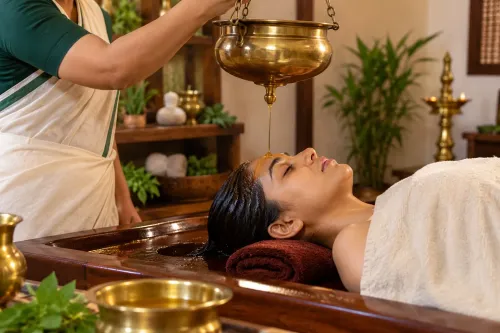
Panchakarma begins with assessment, not a “detox” appointment. The practitioner reviews symptoms, digestion, sleep, strength, pregnancy or breastfeeding, age, kidney and liver disease, bleeding risk, medicines and allergies. Preparation may involve lighter meals, hydration, oil application or heat-based measures; the plan stops if screening shows the procedure is unsafe.
| Procedure | What happens | Why supervision matters |
|---|---|---|
| Vamana | Therapeutic vomiting is induced under controlled conditions | Vomiting can cause aspiration, dehydration and electrolyte changes |
| Virechana | A prescribed purgative is used to produce therapeutic bowel evacuation | Purging can worsen dehydration, bleeding or medicine absorption |
| Basti | A medicated or cleansing enema is administered | Incorrect fluid, technique or hygiene can cause injury or infection |
| Nasya | Medicine is administered through the nose | Product choice and dose matter with respiratory illness or swallowing risk |
Afterward, recovery includes rest, measured fluids and a gradual return to meals rather than immediate heavy food, fasting or strenuous exercise. Follow-up checks bowel function, hydration, symptoms and medicines, then adjusts ahara, vihara or further chikitsa.
Do not attempt vamana, virechana, basti, nasya, prolonged fasting or fluid restriction at home; these practices require individual assessment, trained administration and a clear plan for complications.
How to choose safe supervision and measure whether the plan is helping
Ask the practitioner these questions before agreeing to treatment:
- What condition are you addressing, and what evidence will show improvement?
- What exact herbs, minerals, oils or procedures will you use, at what dose, for how long, and from which manufacturer?
- What quality control verifies plant identity, contaminants, heavy metals and batch consistency?
- Why is nasya or raktamokshana appropriate for me, and what are the alternatives?
- What symptoms require stopping treatment or seeking urgent medical care?
Disclose pregnancy or breastfeeding, age, allergies, kidney or liver disease, bleeding disorders, surgery, and every prescription, over-the-counter medicine and supplement. This allows review of herb-drug interactions and prevents unsafe substitution for treatment of diabetes, hypertension, infection or epilepsy.
Do not accept “detox” as an explanation for vomiting, purging, enemas or fasting; these can cause dehydration, electrolyte disturbances, aspiration, infection or altered drug absorption.
| Care choice | Safety check | Medical monitoring |
|---|---|---|
| Ayurvedic herb or mineral product | Named ingredients, dose, manufacturer and batch quality control | Review medicines with your physician or pharmacist; track relevant blood tests |
| Nasya or raktamokshana | Qualified supervision, indication and contraindications | Record bleeding, infection, breathing or neurological symptoms |
| Chronic-condition plan | No replacement of prescribed treatment | Set a review date and track blood pressure, glucose, pain, sleep or function |
Use terms such as prakriti and agni as part of a conversation, not as laboratory-confirmed diagnoses. Chakrapani Panchakarma Yoga Nisargopchar College can help prospective trainees examine procedure limits, referral decisions and documentation standards before working with patients.
Related products
 | B.Sc.- Yoga Naturopathy and Dietetics B.Sc.- Yoga Naturopathy and Dietetics B.Sc. in Yoga Naturopathy and Dietetics (or a related field like Yoga Science and Naturopathy) provides a comprehensive understanding of these... View product → |
 | Diploma in Panchakarma Course Overview: The Panchakarma Diploma Course is designed to equip students with a deep understanding of Panchakarma principles, therapies, and... View product → |
Frequently asked questions
How do ahara, vihara and chikitsa work together?
Ahara covers food, vihara covers daily habits such as sleep, movement and yoga, and chikitsa covers therapeutic care. A practitioner coordinates all three around your constitution, symptoms and response.
What does an Ayurvedic practitioner check before recommending treatment?
The practitioner reviews your symptoms, medical history, medicines, digestion, sleep, activity, diet and other relevant factors, then uses prakriti and vikriti within an Ayurvedic assessment. This does not replace examination, blood tests or medical diagnosis when they are needed.
What changes might an Ayurvedic care plan include?
Your plan may set specific meal patterns, foods to emphasise or avoid, sleep and waking routines, movement, breathing practices and yoga. Changes should be practical, monitored and adjusted according to your response.
What happens during supervised Panchakarma or other traditional therapies?
A qualified practitioner first decides whether the therapy is appropriate, explains preparation, the procedure and aftercare, and checks you during treatment. Do not attempt Panchakarma procedures or strong herbal regimens without trained supervision.
How can you tell whether an Ayurvedic plan is helping safely?
Record symptoms, digestion, sleep, energy, pain, medication changes and daily function. Agree on review dates and contact a medical professional promptly for worsening symptoms, severe pain, fainting, breathing difficulty or other urgent signs.
Related products
 | Diploma in Panchakarma and Message Technician Diploma in Panchakarma and Message Technician A Diploma in Panchakarma and Massage Therapy, often referred to as a Panchakarma and Massage Technician course, equips individuals with the knowledge... View product → |
 | Diploma Course in Naturopathy and Yogic Science ( DNYS ) Diploma Course in Naturopathy and Yogic Science ( DNYS ) The Diploma in Naturopathy and Yogic Science (DNYS) is a 1-3 year course that combines the study of naturopathy and yoga, focusing on natural healing... View product → |