
Ayurveda has been practiced in India for centuries and continues to be an important part of holistic healthcare. As awareness about preventive health, natural therapies, and lifestyle management grows, many people search for the Best Ayurvedic Treatment for various health concerns. However, choosing the right treatment involves much more than selecting a popular therapy or herbal medicine. It requires proper diagnosis, qualified medical guidance, and a personalized treatment plan.
Every individual has unique health conditions, medical history, body constitution, and lifestyle habits. Ayurveda recognizes these differences and emphasizes individualized care rather than a one-size-fits-all approach. Understanding what contributes to effective Ayurvedic care can help patients make informed healthcare decisions.
What Does 'Best Ayurvedic Treatment' Really Mean?
There is no single Ayurvedic treatment that is considered the best for every person or every medical condition. In Ayurveda, treatment recommendations depend on a detailed evaluation performed by a qualified Ayurvedic physician.
The assessment generally considers:
- Individual body constitution (Prakriti)
- Current health concerns
- Medical history
- Dietary habits
- Sleep patterns
- Daily routine
- Digestive health
- Physical activity
- Stress levels
- Existing medications and treatments
Based on these factors, the physician develops a treatment plan tailored to the individual's needs.
Components of a Comprehensive Ayurvedic Treatment Plan
Ayurvedic care often combines multiple approaches to support overall health rather than focusing on only one therapy.
Clinical Consultation
Every treatment begins with a detailed consultation. This helps the physician understand the patient's symptoms, lifestyle, and overall health before making recommendations.
Herbal Medicines
Ayurvedic medicines are prescribed according to the individual's diagnosis and should always be taken under professional supervision. Self-medication may not be appropriate, particularly for people with chronic medical conditions.
Personalized Diet
Food plays a central role in Ayurveda. Dietary recommendations are customized according to the patient's body constitution and current health condition to support digestion and overall wellness.
Lifestyle Guidance
Simple adjustments in daily routines, sleep schedules, physical activity, and stress management often become an important part of long-term healthcare.
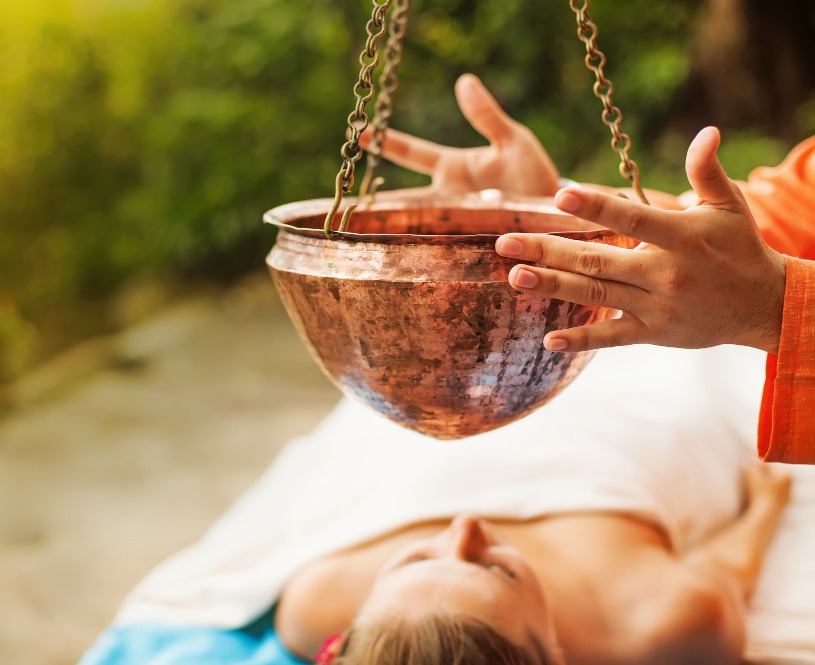
Panchakarma Therapies
When clinically appropriate, Panchakarma procedures may be recommended to support detoxification and balance. These therapies should always be performed by trained professionals after proper medical assessment.
Yoga and Relaxation
Yoga, breathing exercises, and meditation may complement treatment plans by supporting flexibility, relaxation, and mental well-being.
How to Identify Quality Ayurvedic Care
When searching for Ayurvedic treatment, it is helpful to evaluate the healthcare provider and treatment approach carefully.
Consider the following factors:
- Qualified Ayurvedic doctors
- Individualized consultation
- Proper diagnosis before treatment
- Clean and well-maintained therapy facilities
- Evidence-based clinical practices
- Clear explanation of treatment plans
- Follow-up consultations
- Ethical healthcare practices
Choosing a provider who emphasizes patient education and individualized care often leads to a better treatment experience.
Conditions Commonly Managed Through Ayurveda
People consult Ayurvedic physicians for a wide range of health concerns. Depending on the diagnosis, treatment plans may be developed for conditions such as:
- Joint and muscle discomfort
- Digestive disorders
- Lifestyle-related health conditions
- Stress management
- Skin concerns
- Respiratory conditions
- Sleep-related issues
- General wellness and preventive care
Treatment recommendations vary from person to person, and patients should continue following advice from their healthcare providers regarding ongoing medical management.
Why Personalization Is Important
Ayurveda does not treat every patient in the same way. Two individuals with similar symptoms may receive different recommendations because their body constitution, lifestyle, and health history differ.
A personalized approach allows the physician to:
- Address underlying health imbalances
- Recommend suitable therapies
- Suggest appropriate dietary changes
- Monitor treatment progress
- Modify recommendations when necessary
This individualized care is one of the defining characteristics of Ayurvedic practice.
Integrating Ayurveda with Healthy Living
Long-term wellness depends not only on medical treatment but also on healthy daily habits. Ayurveda encourages individuals to actively participate in maintaining their health through balanced nutrition, regular physical activity, adequate sleep, stress management, and preventive healthcare.
Some simple habits that support overall well-being include:
- Eating freshly prepared, balanced meals
- Maintaining regular meal timings
- Staying physically active
- Getting sufficient sleep
- Practicing relaxation techniques
- Following medical advice consistently
- Attending regular health check-ups
These habits often complement both conventional and traditional healthcare approaches.
Learning Ayurveda Through Structured Education
Growing interest in Ayurveda has also increased demand for formal education in this field. Institutions offering structured academic programs help students understand traditional healthcare principles alongside practical clinical exposure.
In Nagpur, Chakrapani Panchakarma Yoga Nisargopchar College offers education in Ayurveda, Panchakarma, Yoga, and allied healthcare disciplines. Through classroom instruction, practical learning, and guidance from experienced faculty, students gain a deeper understanding of holistic healthcare systems. Those interested in exploring academic programs can refer to chakrapanicollege.org for course-related information.
Finding the Best Ayurvedic Treatment begins with choosing qualified healthcare professionals, understanding your individual health needs, and following a personalized treatment plan. With increasing awareness of holistic healthcare across Nagpur and Maharashtra, Ayurveda continues to provide a valuable approach to preventive wellness and long-term health management when practiced under appropriate medical supervision.