As lifestyle-related health conditions continue to rise, Ayurveda remains an area of interest for students who wish to understand traditional approaches to health management. Among the specialized subjects available in Ayurvedic education, Ayurvedic Treatment for Diabetes attracts learners interested in studying how classical Ayurvedic principles are applied alongside preventive healthcare concepts. Choosing the right educational programme requires more than selecting a course with an appealing title. It involves evaluating the quality of education, practical exposure, and long-term learning opportunities.
A well-designed programme should help students understand the theoretical foundations of Ayurveda while providing supervised clinical learning that encourages responsible practice.
Understanding What the Curriculum Should Include
Education related to Ayurvedic management of diabetes should introduce students to both classical Ayurvedic concepts and the broader understanding of metabolic health.
A comprehensive curriculum may include:
- Fundamentals of Ayurveda
- Basic understanding of metabolic disorders
- Principles of diet and lifestyle management
- Panchakarma concepts relevant to metabolic wellness
- Herbal formulations and their traditional applications
- Patient assessment methods
- Clinical observation
- Professional ethics
Rather than focusing on isolated therapies, a quality programme explains how different aspects of Ayurvedic care work together within a structured treatment approach.
How to Evaluate an Educational Institution
Students and parents should compare institutions using objective criteria instead of relying only on promotional material.
Important considerations include:
- Qualified teaching faculty
- Practical training facilities
- Clinical exposure
- Well-planned academic curriculum
- Library and learning resources
- Student mentoring
- Assessment methods
- Opportunities for higher education
These elements contribute to a stronger educational experience and better professional preparation.
Why Clinical Exposure Is Valuable
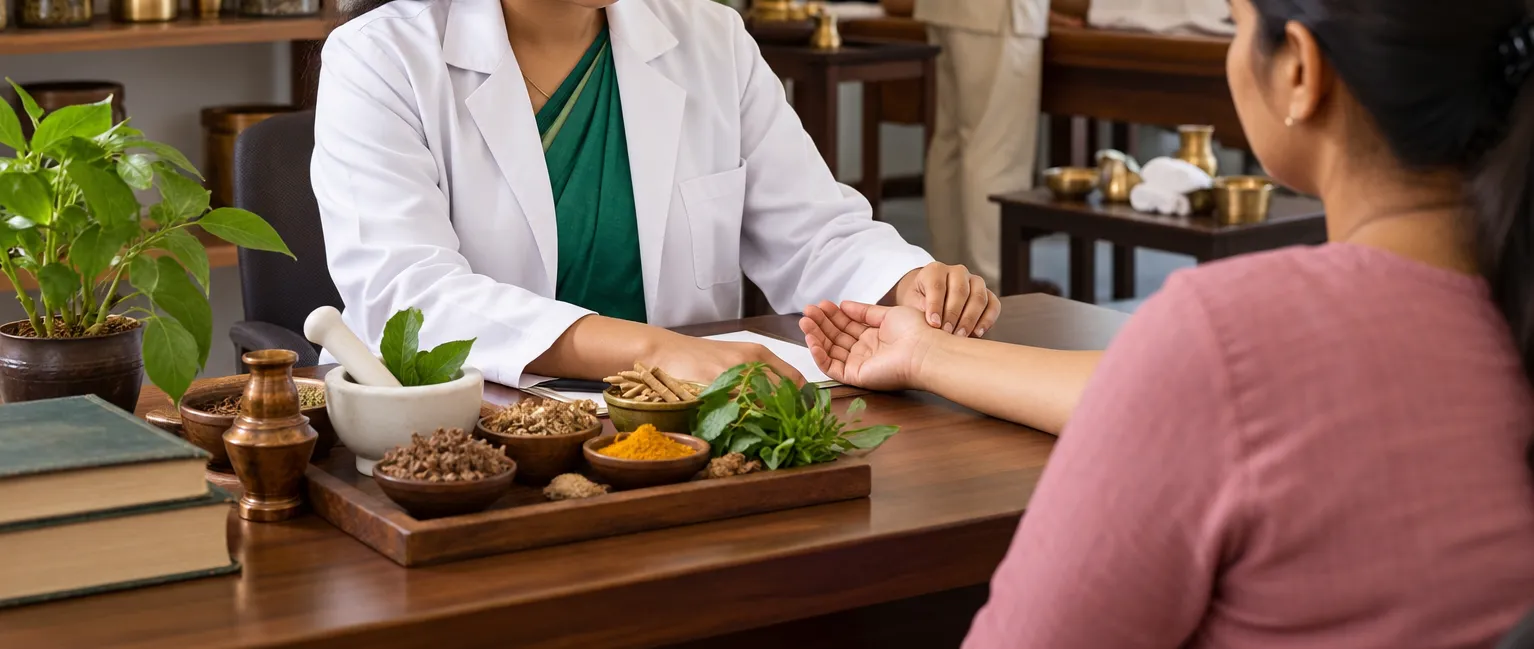
Healthcare education becomes more meaningful when students observe how theoretical knowledge is applied in real practice. Clinical observation allows learners to understand patient communication, documentation, therapeutic planning, and professional responsibilities under faculty supervision.
This practical experience helps students develop confidence while reinforcing classroom concepts.
Questions Worth Asking Before Admission
Students can make a better decision by asking:
- How much practical training is included?
- Are experienced faculty members available for guidance?
- Does the curriculum combine theory with clinical learning?
- Are students encouraged to participate in academic activities?
- What opportunities exist for continuing education?
Gathering this information provides a clearer understanding of the learning environment.
Future Career Opportunities
After completing relevant education, graduates may pursue opportunities in:
- Ayurvedic hospitals
- Wellness centres
- Panchakarma facilities
- Preventive healthcare organisations
- Community health programmes
- Academic and research institutions
Many students continue with postgraduate education to deepen their understanding of Ayurveda and holistic healthcare.
Students exploring healthcare education in Nagpur often compare colleges based on academic quality, faculty expertise, and opportunities for practical learning. Visiting the campus and reviewing the curriculum can help applicants identify an institution that matches their educational goals.
Chakrapani Panchakarma Yoga Nisargopchar College offers educational programmes in Ayurveda, Panchakarma, Yoga, and allied healthcare disciplines. Through structured coursework and supervised practical exposure, the institute supports students who wish to build a strong academic foundation in traditional healthcare.
Choosing a programme focused on Ayurvedic Treatment for Diabetes should be based on educational quality rather than marketing claims. A college that encourages academic learning, practical experience, and professional development can provide students with the knowledge needed to pursue meaningful careers in Ayurvedic healthcare.
Keywords