
Interest in holistic healthcare has grown steadily as more people seek ways to improve their overall well-being through preventive health practices and traditional systems of medicine. Among the many Ayurvedic therapies available, Panchakarma is widely recognized for its structured approach to cleansing and rejuvenation. If you are considering visiting an Ayurvedic Panchakarma Center, understanding what happens during the consultation and treatment process can help you make an informed decision.
Panchakarma is not a single therapy but a collection of specialized Ayurvedic procedures performed under the supervision of qualified practitioners. Every treatment plan is personalized after evaluating the individual's health condition, body constitution, medical history, and lifestyle.
What Is Panchakarma?
Panchakarma is a traditional Ayurvedic treatment approach that focuses on restoring balance within the body through carefully planned therapeutic procedures. The word 'Panchakarma' refers to five principal purification methods that are recommended only after a detailed clinical assessment.
These primary procedures include:
- Vamana (therapeutic emesis)
- Virechana (therapeutic purgation)
- Basti (medicated enema therapy)
- Nasya (nasal therapy)
- Raktamokshana (performed only in selected clinical situations)
The exact procedure recommended depends entirely on the patient's condition and should only be carried out under professional supervision.
What Happens During the First Consultation?
The first visit to an Ayurvedic Panchakarma Center usually begins with a comprehensive consultation rather than immediate treatment.
During the consultation, the physician may assess:
- Current health concerns
- Medical history
- Existing medications
- Lifestyle habits
- Dietary routine
- Sleep quality
- Physical activity
- Digestive health
- Stress levels
- Body constitution (Prakriti)
This detailed evaluation allows the physician to determine whether Panchakarma is appropriate and, if so, which therapies may be suitable.
Pre-Treatment Preparation
Before the main Panchakarma procedures begin, patients often undergo preparatory therapies designed to prepare the body.
These may include:
Snehana (Oleation)
Special medicated oils may be used internally or externally according to the treatment plan.
Swedana (Sudation)
Controlled steam therapy may be recommended to support relaxation and prepare the body for subsequent procedures.
The duration and type of preparation differ for each patient based on the physician's assessment.
Panchakarma Therapies
Following preparation, one or more Panchakarma procedures may be recommended depending on the patient's health condition.
Common supportive therapies often performed alongside Panchakarma include:
- Abhyanga (Ayurvedic oil massage)
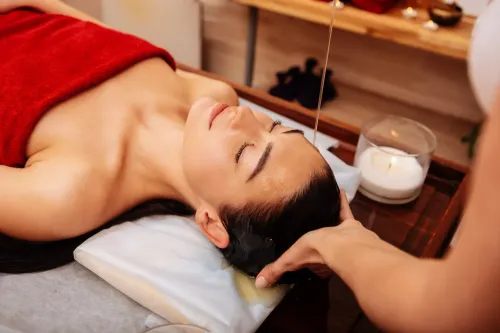
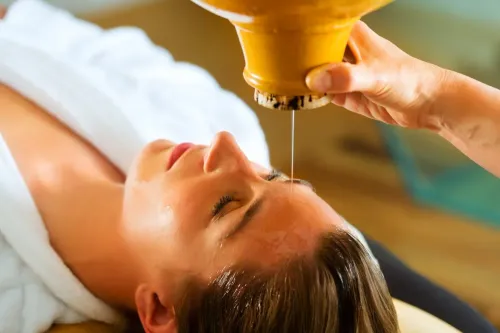
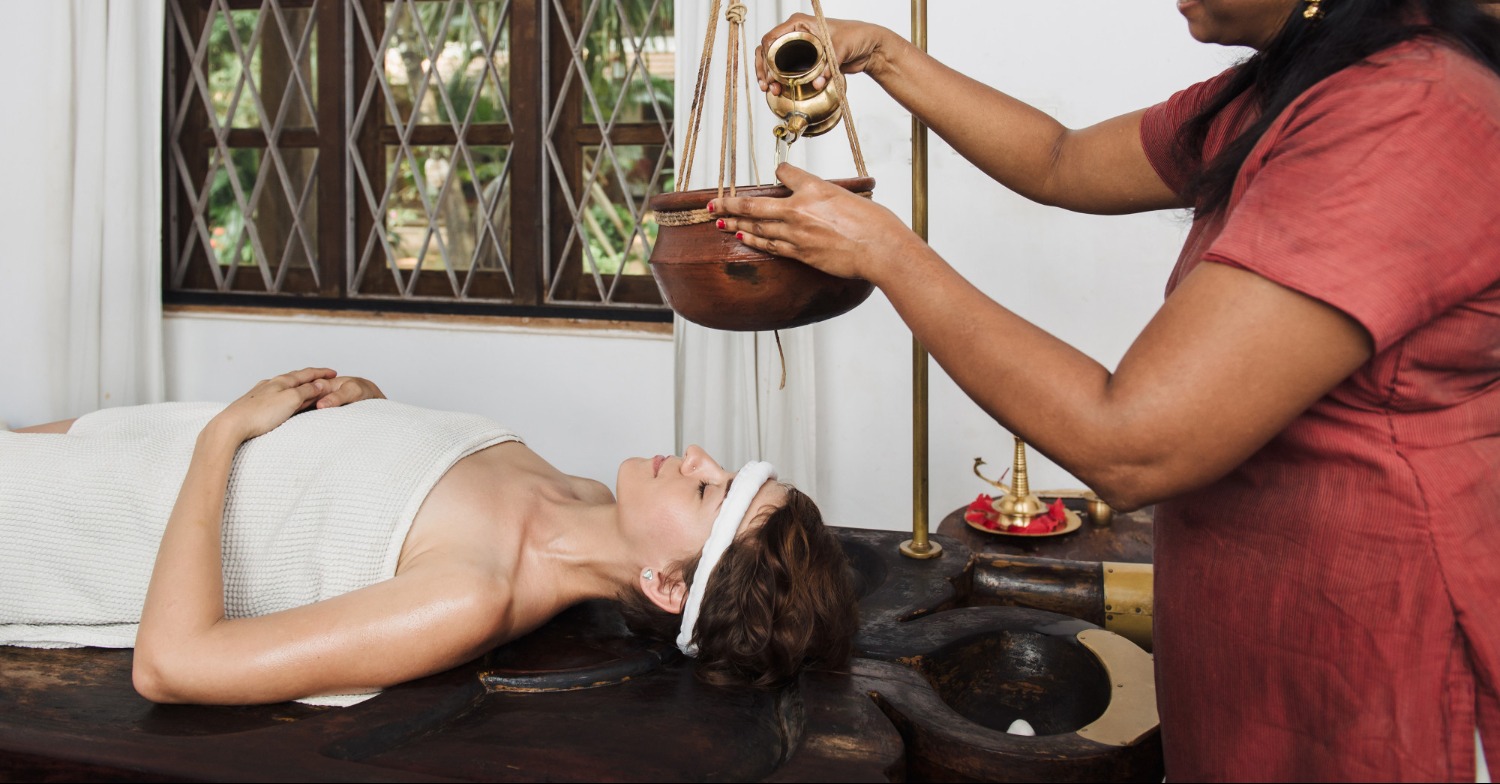
- Shirodhara
- Pizhichil
- Kati Basti
- Janu Basti
- Herbal steam therapy
These therapies are selected individually and are not automatically recommended for every patient.
Importance of Post-Treatment Care
Panchakarma does not end with the completion of therapy sessions. Aftercare plays an equally important role in supporting recovery and maintaining overall wellness.
Patients may receive guidance regarding:
- Diet progression
- Hydration
- Physical activity
- Sleep routine
- Daily lifestyle practices
- Follow-up consultations
Following these recommendations helps the body gradually return to its regular routine after treatment.
Conditions for Which People Commonly Seek Panchakarma Consultation
Individuals consult Ayurvedic physicians for various health concerns, including:
- Joint discomfort
- Muscular stiffness
- Lifestyle-related disorders
- Digestive concerns
- Stress management
- General wellness
- Preventive healthcare
- Rehabilitation support
The physician determines whether Panchakarma is appropriate after evaluating each patient's overall health.
Choosing a Good Ayurvedic Panchakarma Center
Selecting the right treatment centre is essential for both safety and quality of care.
Consider factors such as:
- Qualified Ayurvedic physicians
- Trained Panchakarma therapists
- Clean therapy facilities
- Individualized treatment planning
- Proper clinical assessment
- Hygienic treatment environment
- Patient education
- Follow-up care
Choosing a centre that prioritizes personalized treatment and professional standards contributes to a better overall experience.
The Growing Role of Ayurveda in Preventive Healthcare
Across Maharashtra, including Nagpur, increasing awareness of preventive healthcare has encouraged many individuals to learn more about Ayurveda and traditional wellness practices. Alongside clinical care, educational institutions are helping preserve and promote Ayurvedic knowledge through structured academic programs.
Chakrapani Panchakarma Yoga Nisargopchar College offers education in Ayurveda, Panchakarma, Yoga, and Naturopathy, enabling students to understand traditional healthcare principles through both classroom instruction and practical learning. Those interested in academic opportunities can explore chakrapanicollege.org to learn more about available programs and eligibility requirements.
Visiting an Ayurvedic Panchakarma Center begins with understanding that every individual receives personalized care based on a detailed medical assessment. Rather than offering standardized treatments, Ayurveda emphasizes individualized healthcare, healthy lifestyle practices, and long-term wellness. When Panchakarma is performed under the guidance of qualified professionals and integrated responsibly with appropriate medical care, it can become an important part of a comprehensive approach to holistic health.