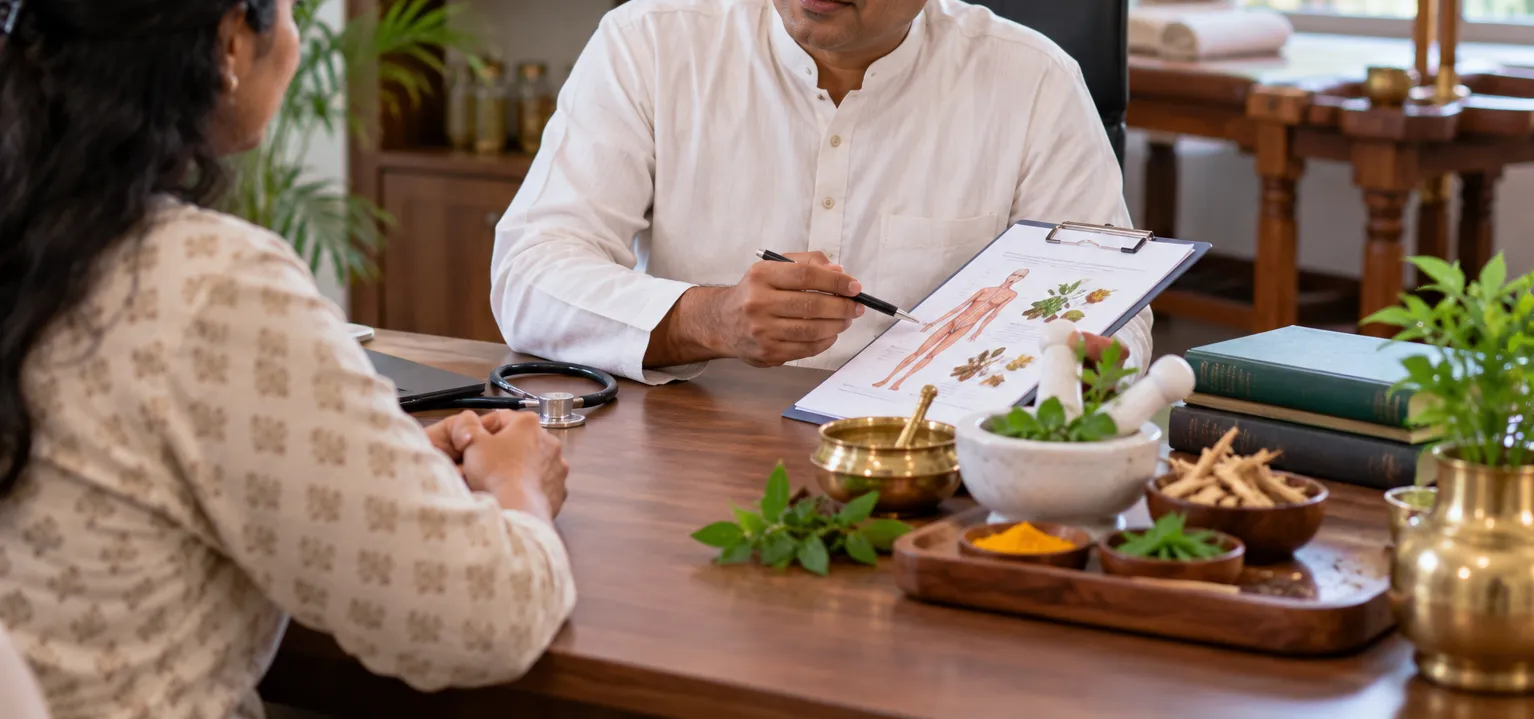
Long-term health conditions often require more than short-term symptom management. Ayurveda approaches chronic health concerns by considering diet, daily routine, digestion, sleep, stress, physical activity and individual constitution together. This broader perspective is one reason people explore Chronic Disease Ayurvedic Treatment as part of a structured health-management plan.
In Nagpur and other parts of Maharashtra, interest in Ayurveda, Panchakarma, Yoga and naturopathy has also increased among students who want to understand traditional wellness systems professionally.
How Ayurveda Looks at Chronic Health Problems
Ayurvedic assessment is individualized. A practitioner may review the person's symptoms, lifestyle, dietary habits, digestion, sleep pattern and other relevant factors before deciding whether Ayurvedic therapies are appropriate.
Depending on the condition and clinical assessment, a plan may involve:
- Dietary guidance
- Lifestyle modifications
- Yoga practices
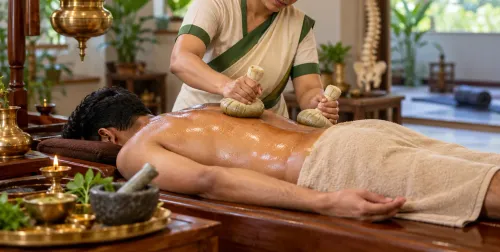
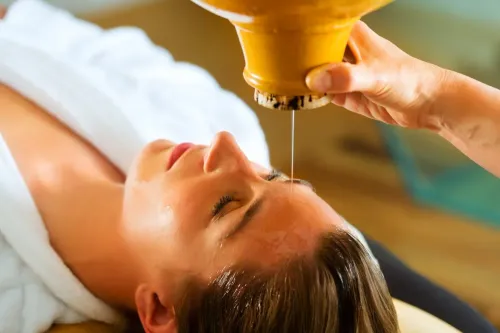
- External Ayurvedic therapies
- Physician-prescribed Ayurvedic medicines
- Selected Panchakarma procedures
- Relaxation and stress-management practices
These approaches should not be considered automatic substitutes for conventional medical care, particularly for conditions requiring ongoing medication or specialist monitoring.
What Happens Before Treatment
Before beginning Chronic Disease Ayurvedic Treatment, patients should provide an accurate medical history. Existing diagnoses, laboratory reports, allergies and current medicines are particularly important.
People taking medication for diabetes, hypertension, heart disease or other chronic conditions should never stop or alter prescribed treatment without guidance from their treating doctor.
The Ayurvedic practitioner can then determine whether supportive therapies are appropriate and whether any procedure requires additional precautions.
How Long Does Treatment Take
There is no universal recovery period for chronic diseases.
Treatment duration depends on the diagnosis, severity of symptoms, duration of the illness, general health and response to therapy. Some lifestyle interventions may be continued over longer periods, while specific Panchakarma procedures may follow a defined schedule.
Patients should be cautious of claims promising complete or permanent cures within a fixed number of days.
Possible Benefits and Limitations
A properly supervised Ayurvedic wellness programme may help some people improve routine, diet awareness, stress management and general wellbeing. Yoga and relaxation practices may also support healthier daily habits.
However, benefits vary considerably between individuals. Ayurvedic treatment can also carry risks when medicines are used without professional guidance or procedures are performed despite contraindications.
Care After Ayurvedic Therapies
Post-treatment recommendations depend on the therapy performed. Common advice may include maintaining appropriate hydration, following the prescribed diet, avoiding excessive exertion immediately after intensive procedures and gradually returning to the normal routine.
Any unexpected weakness, persistent vomiting, severe pain, allergic reaction or worsening of an existing condition requires medical attention.
Chakrapani Panchakarma Yoga Nisargopchar College provides an educational environment in Nagpur for students interested in Ayurveda-related wellness disciplines, Yoga, naturopathy and Panchakarma learning. Students exploring these fields should focus not only on therapy names but also on assessment, contraindications, hygiene and responsible patient care.
Frequently Asked Questions
Can Ayurveda cure every chronic disease
No. Outcomes depend on the specific condition and individual circumstances. Claims of guaranteed cures should be treated cautiously.
Can Ayurvedic treatment be taken with regular medicines
Sometimes complementary approaches may be considered, but possible interactions and the patient's medical condition must be reviewed by qualified healthcare professionals.
Is Panchakarma necessary for every chronic condition
No. Panchakarma is not automatically appropriate for every patient. Selection should follow individual assessment.
Understanding these principles helps both patients and future wellness professionals approach chronic disease care with realistic expectations and greater attention to safety.
Keywords