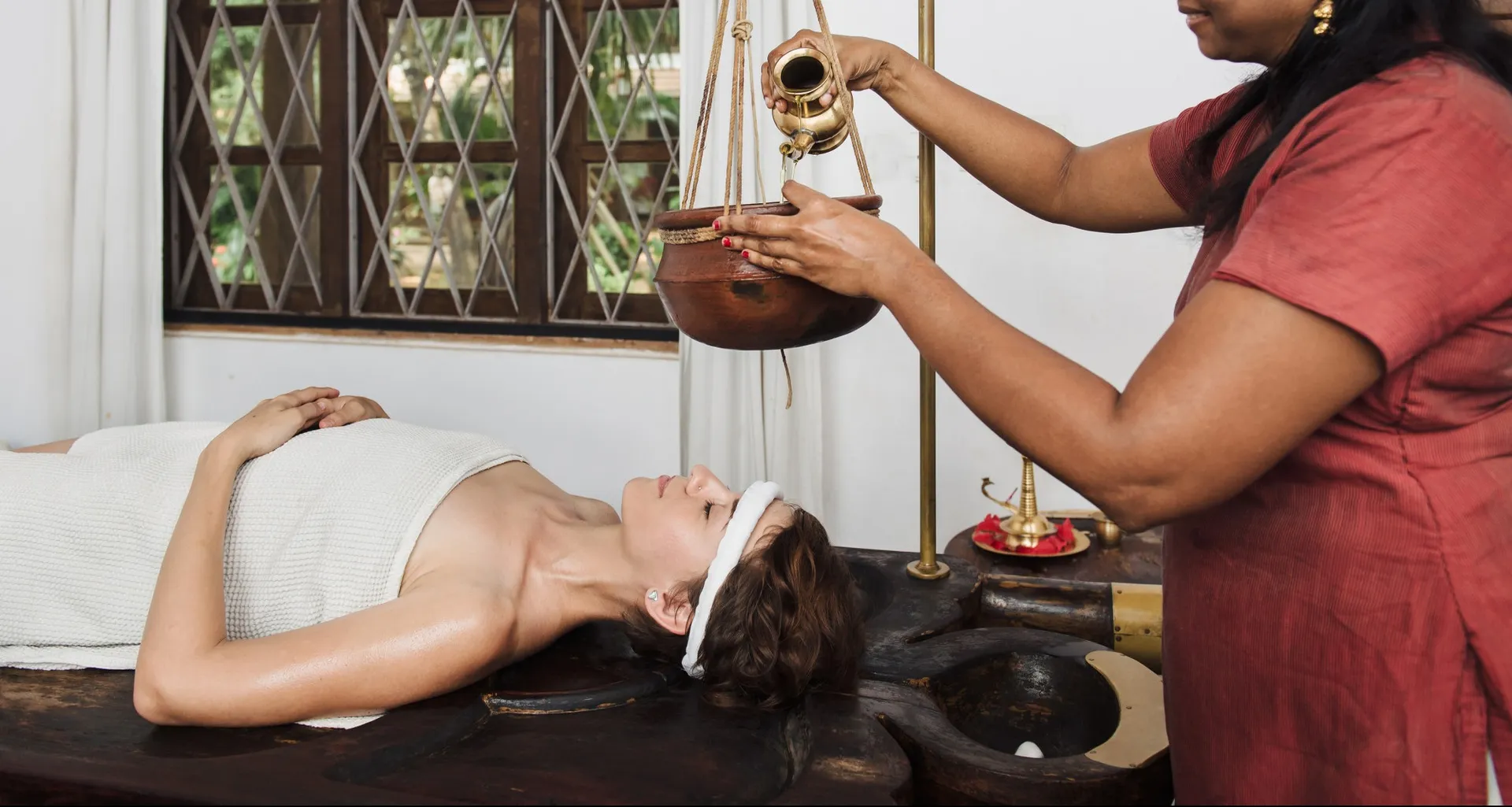
Interest in holistic wellness has encouraged many students to explore specialized education in Ayurveda, particularly programmes related to Detox Therapy Panchakarma. As awareness of traditional healthcare continues to grow, selecting the right institution has become one of the most important decisions for aspiring students. The quality of education, practical exposure, and faculty guidance can significantly influence future learning and career opportunities.
Instead of comparing institutions based only on popularity, applicants should focus on the academic environment and opportunities for skill development.
What Should Students Expect from the Programme?
Education related to Detox Therapy Panchakarma should provide a balanced understanding of Ayurvedic philosophy and therapeutic practices.
A structured programme typically includes:
- Introduction to Ayurveda
- Panchakarma principles
- Human anatomy and physiology
- Traditional detoxification concepts
- Patient care fundamentals
- Hygiene and safety standards
- Clinical observation
- Professional conduct
The objective is to help students understand the theoretical foundations while developing practical competence through supervised learning.
Key Factors to Compare Before Admission
Every educational institution has its own strengths. Before making a final choice, students should compare:
- Faculty qualifications
- Practical therapy facilities
- Clinical training opportunities
- Curriculum structure
- Student support services
- Infrastructure
- Library resources
- Scope for advanced education
These factors often have a greater impact on the learning experience than promotional claims.
Why Practical Learning Is Essential
Panchakarma therapies require discipline, observation, and adherence to established procedures. Practical sessions help students understand therapy preparation, patient interaction, and clinical protocols in a supervised setting.
Learning through observation and guided practice also improves confidence and supports the development of professional skills.
Signs of a Good Learning Environment
An institution committed to quality education generally provides:
- Interactive classroom sessions
- Regular practical demonstrations
- Faculty mentorship
- Clinical learning opportunities
- Well-maintained therapy facilities
- Academic guidance for future studies
Such an environment encourages continuous improvement throughout the learning journey.
Career Opportunities After the Course
Students completing education related to Detox Therapy Panchakarma may explore opportunities in:
- Ayurvedic hospitals
- Panchakarma centres
- Wellness resorts
- Holistic healthcare clinics
- Community wellness programmes
- Educational institutions
Many graduates also pursue advanced studies to further strengthen their expertise in Ayurveda and integrative healthcare.
Students in Nagpur often compare institutions by visiting campuses, interacting with faculty, and reviewing available facilities before making an admission decision. This approach helps applicants identify colleges that provide a balanced combination of academic learning and practical exposure.
Chakrapani Panchakarma Yoga Nisargopchar College offers programmes that integrate Ayurveda, Panchakarma, Yoga, and allied healthcare education through structured classroom teaching and supervised practical training. The institute focuses on helping students build professional knowledge while developing the skills required for future healthcare roles.
Selecting the right college for learning Detox Therapy Panchakarma is an investment in long-term education and career development. Taking time to compare curriculum quality, faculty expertise, practical training, and academic support can help students choose an institution that supports both their learning goals and professional aspirations.
Keywords