
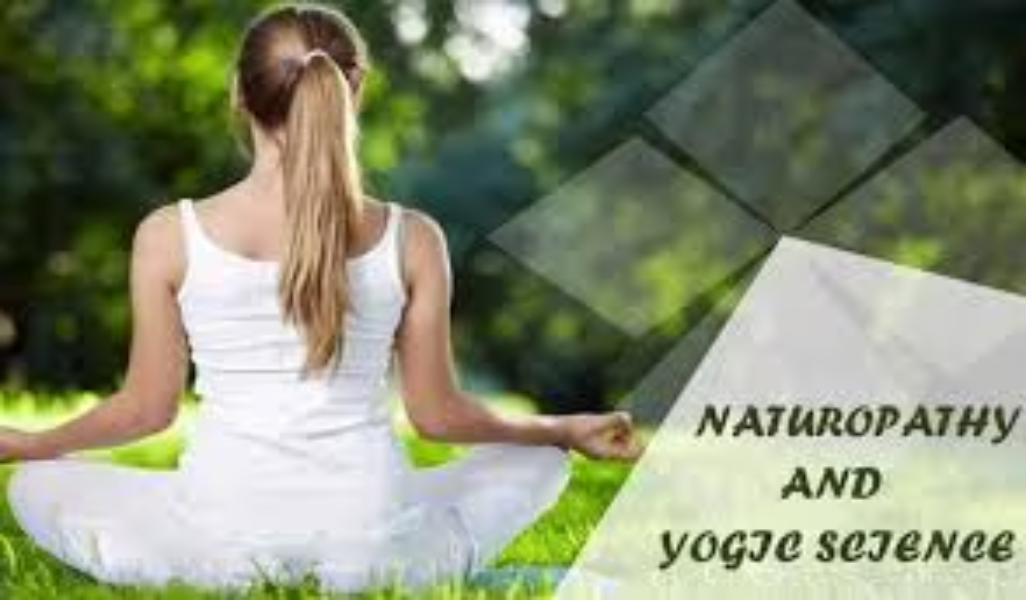
Healthcare careers are evolving beyond conventional treatment approaches, and many students are exploring educational programs that focus on preventive wellness and natural healing. A DNYS Course is one such option that prepares students to understand naturopathy and yogic sciences while developing practical skills for holistic healthcare settings. For students comparing career paths after Class 12 or professionals considering a change in direction, understanding what this course offers can make the decision easier.
Unlike programs that focus on a single healthcare discipline, a DNYS Course combines multiple aspects of natural health, including yoga, nutrition, lifestyle management, and naturopathy. This integrated approach allows students to develop a broader perspective on health promotion.
What Does a DNYS Course Include?
The Diploma in Naturopathy and Yogic Sciences introduces learners to both theoretical concepts and practical applications. The curriculum is designed to help students understand natural healing methods while encouraging evidence-informed healthcare practices.
Subjects commonly covered include:
- Principles of naturopathy
- Yogic philosophy and practice
- Human anatomy and physiology
- Nutrition and dietetics
- Hydrotherapy and mud therapy
- Lifestyle management
- Stress management techniques
- Community health awareness
Practical sessions play an important role in helping students apply classroom learning in supervised environments.
How Does This Course Compare with Other Healthcare Programs?
Students often compare a DNYS Course with other healthcare diplomas before making a decision. While laboratory technology, physiotherapy, and operation theatre assistance focus on specific clinical responsibilities, naturopathy and yogic sciences emphasize preventive care, wellness education, and lifestyle improvement.
This course may be suitable for students who:
- Enjoy learning about natural health practices
- Want to understand holistic wellness
- Prefer preventive healthcare approaches
- Are interested in yoga and therapeutic lifestyle practices
- Plan to pursue higher education in integrative healthcare
The choice ultimately depends on individual career interests rather than which course is considered 'better.'
Skills Students Can Expect to Develop
Throughout the program, learners strengthen a variety of professional skills, including:
- Communication with patients
- Basic health assessment
- Yoga instruction fundamentals
- Wellness planning
- Observation and documentation
- Time management
- Ethical healthcare practices
- Team collaboration
These transferable skills are valuable across different healthcare and wellness environments.
Career Opportunities After Completing the Course
Graduates may explore opportunities in:
- Naturopathy centres
- Yoga institutes
- Wellness clinics
- Preventive healthcare organizations
- Community health programs
- Educational institutions
- Holistic wellness centres
Some students continue their education to gain advanced qualifications in naturopathy, yoga, nutrition, or related disciplines.
What Should Students Consider Before Enrolling?
Choosing the right institution is just as important as selecting the course itself. Students and parents should look for:
- Qualified faculty members
- Practical learning facilities
- Clinical exposure
- Updated curriculum
- Student support services
- Academic guidance
- Infrastructure
- Opportunities for further education
A college that balances theoretical education with supervised practical experience often provides better preparation for professional life.
Many students in Nagpur compare healthcare education programs based on learning opportunities, faculty experience, and practical exposure. Visiting the campus, reviewing the curriculum, and understanding the learning environment can help applicants make an informed decision.
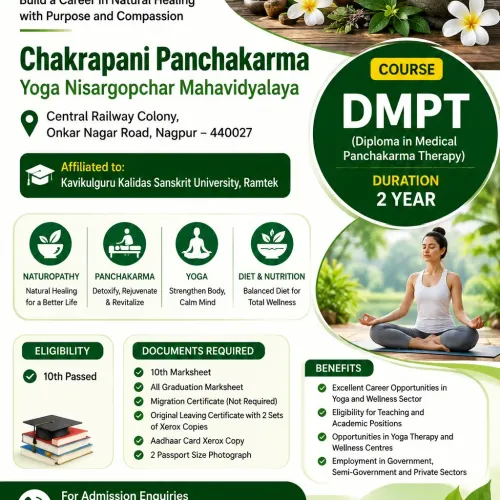
Chakrapani Panchakarma Yoga Nisargopchar College offers programs that integrate Yoga, Naturopathy, Panchakarma, and allied healthcare education. The institute focuses on structured academic learning supported by practical training so that students gain both knowledge and professional confidence.
A DNYS Course can be a meaningful choice for students interested in preventive healthcare and holistic wellness. Understanding the curriculum, career opportunities, and educational environment before enrolling helps ensure that the course aligns with long-term professional goals.