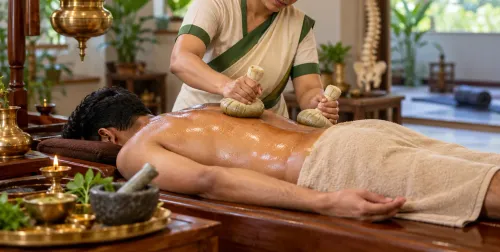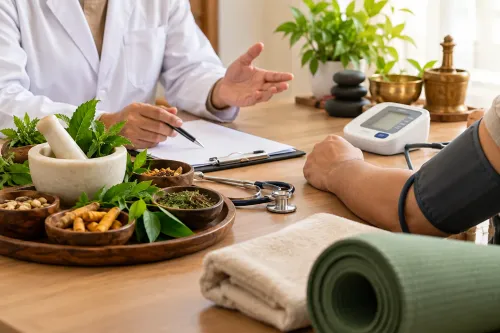
The growing awareness of traditional healthcare has encouraged many students to explore specialized education in Ayurveda. Among the emerging areas of interest, Ayurvedic Spine Treatment focuses on understanding Ayurvedic principles related to spinal health, therapeutic procedures, and supportive patient care. For students planning to enter this field, selecting the right educational institution is just as important as selecting the course itself.
Different colleges vary in their curriculum, practical exposure, faculty expertise, and learning resources. Comparing these aspects carefully helps students make informed academic decisions that support future career development.
Why Educational Quality Makes a Difference
Healthcare education requires more than classroom teaching. Students benefit most when theoretical learning is reinforced through demonstrations, supervised practice, and exposure to real clinical environments.
A comprehensive programme generally includes:
- Fundamentals of Ayurveda
- Anatomy of the musculoskeletal system
- Principles related to spinal health
- Panchakarma concepts
- Therapeutic procedures
- Patient communication
- Clinical observation
- Professional ethics
Learning these subjects together helps students understand how different aspects of Ayurvedic care work together.
Features to Compare Before Taking Admission
Before finalising a college, students should evaluate whether the institution provides:
- Qualified and experienced faculty
- Practical laboratory facilities
- Clinical learning opportunities
- Well-planned academic curriculum
- Student mentoring
- Library and research support
- Modern educational infrastructure
- Scope for advanced education
Comparing these factors often provides a clearer understanding of the overall quality of education than relying solely on advertisements or rankings.
Indicators of a Student-Centred Learning Environment
A supportive educational institution usually encourages:
- Interactive classroom discussions
- Practical demonstrations
- Small-group learning
- Continuous academic guidance
- Skill development activities
- Professional discipline
Such an environment helps students gain confidence while preparing for future responsibilities in healthcare settings.
Career Opportunities After Completing the Programme
Students who pursue education related to Ayurvedic Spine Treatment may explore opportunities in:
- Ayurvedic hospitals
- Wellness centres
- Panchakarma facilities
- Holistic healthcare clinics
- Rehabilitation-focused wellness institutions
- Educational and research organisations
Many learners continue with higher education to develop advanced expertise in Ayurveda and traditional healthcare sciences.
Making an Informed Admission Decision
Before selecting an institution, students should gather information through:
- Campus visits
- Curriculum review
- Faculty interaction
- Infrastructure assessment
- Practical training facilities
- Student support services
Taking time to compare these areas helps applicants choose an institution that aligns with their educational expectations.
Many prospective students in Nagpur prefer colleges that balance traditional Ayurvedic education with structured practical learning. Access to experienced faculty, therapy facilities, and academic guidance often plays a significant role in the admission process.
Chakrapani Panchakarma Yoga Nisargopchar College provides programmes focused on Ayurveda, Panchakarma, Yoga, and allied healthcare education through a combination of classroom instruction and supervised practical learning. The institute aims to prepare students with both academic knowledge and professional skills that support long-term career development.
Choosing a programme related to Ayurvedic Spine Treatment involves more than selecting a course title. Evaluating the institution's teaching approach, practical exposure, and academic environment allows students to invest in an education that can support meaningful opportunities within the growing field of Ayurvedic healthcare.
Keywords