
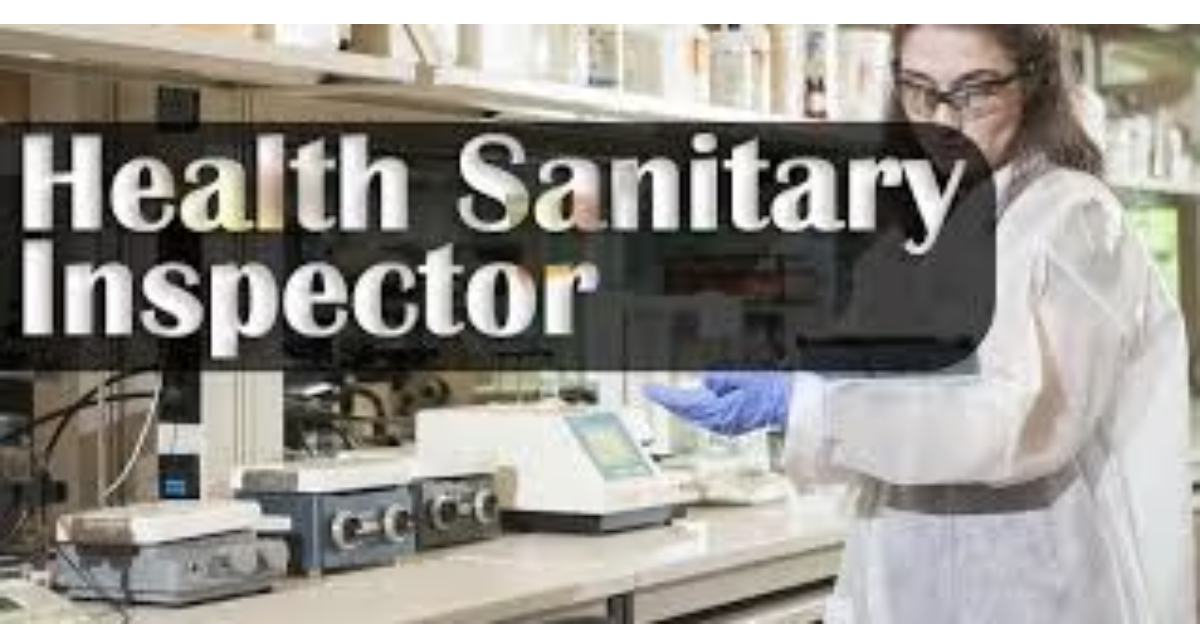
Public health depends on more than hospitals and clinics. Clean surroundings, safe drinking water, proper waste disposal, food hygiene, and disease prevention all contribute to healthier communities. This is where professionals trained through a Certificate Course in Health Sanitary Inspector play an important role. They help ensure that public spaces, institutions, and residential areas meet sanitation standards while supporting health awareness initiatives.
As awareness about preventive healthcare continues to grow across India, the demand for trained sanitary inspectors is increasing in government departments, municipal bodies, hospitals, schools, industries, and private organizations. Students looking for a healthcare-related career without pursuing a lengthy medical degree often consider this certificate course as a practical and rewarding option.
What Does a Health Sanitary Inspector Do?
A Health Sanitary Inspector works to maintain public hygiene and reduce health risks caused by poor sanitation. Their responsibilities combine inspection, education, monitoring, and reporting to improve environmental health.
Common responsibilities include:
- Inspecting public places for sanitation compliance
- Monitoring waste management systems
- Checking drinking water quality standards
- Promoting hygiene awareness in communities
- Supporting disease prevention programs
- Maintaining sanitation records and reports
- Assisting health authorities during inspections
- Encouraging safe food handling practices
Their work directly contributes to reducing the spread of communicable diseases and improving overall public health.
Why Is This Course Becoming Popular?
Rapid urban development has increased the need for professionals who understand sanitation and environmental health. Cities such as Nagpur continue to expand, bringing greater focus on clean public infrastructure and preventive healthcare measures.
A Certificate Course in Health Sanitary Inspector provides students with industry-relevant knowledge that prepares them for responsibilities in both urban and rural healthcare settings. Since sanitation is a priority across multiple sectors, career opportunities are available in public and private organizations alike.
The course also appeals to students who want to enter the healthcare field within a shorter duration compared to traditional degree programs.
Skills Developed During the Course
Students learn a combination of technical knowledge and practical skills that are useful in real-world situations.
Some of the important learning areas include:
- Environmental sanitation principles
- Public health regulations
- Waste disposal methods
- Water sanitation techniques
- Food safety and hygiene
- Infection prevention practices
- Community health education
- Inspection procedures
- Record maintenance and documentation
- Communication and reporting skills
These competencies prepare students to work confidently in different healthcare and public health environments.
Career Opportunities After Completion
One of the advantages of this certificate course is the wide variety of employment options available after successful completion.
Graduates may find opportunities as:
- Health Sanitary Inspector
- Public Health Worker
- Sanitation Supervisor
- Food Safety Assistant
- Environmental Health Assistant
- Hospital Sanitation Officer
- Municipal Health Inspector
- Community Health Coordinator
Employment opportunities may exist in:
- Government health departments
- Municipal corporations
- Hospitals
- Primary healthcare centres
- Educational institutions
- Industrial establishments
- NGOs working in public health
- Private healthcare organizations
The expanding focus on preventive healthcare continues to create opportunities for qualified professionals in this field.
Who Can Benefit from This Course?
This course is suitable for individuals who:
- Are interested in healthcare and community service
- Want a career in public health
- Prefer a practical, skill-oriented education
- Enjoy fieldwork and inspections
- Wish to contribute to disease prevention
- Are looking for employment-oriented healthcare training
Students who possess good observation skills, communication abilities, and an interest in improving community well-being often find this profession fulfilling.
Why Practical Training Matters
Healthcare education is most effective when theoretical learning is supported by practical exposure. Understanding sanitation principles in classrooms is important, but observing inspections, learning documentation procedures, and participating in community health activities help students build confidence.
Many educational institutions now emphasize practical learning through demonstrations, field visits, and supervised training. This enables students to understand real-world public health challenges before entering the workforce.
Practical exposure also helps students develop problem-solving abilities and become familiar with professional responsibilities.
Growing Importance of Public Health Professionals
Recent years have highlighted the importance of preventive healthcare across the country. Public awareness regarding hygiene, sanitation, and disease prevention has grown significantly. As a result, organizations increasingly recognize the value of trained health sanitary inspectors who can support health initiatives and maintain sanitation standards.
In Maharashtra, including Nagpur, ongoing urban development, healthcare expansion, and public welfare programs continue to strengthen the demand for professionals with specialized sanitation knowledge.
Educational institutions such as Chakrapani Panchakarma Yoga Nisargopchar College offer healthcare-focused programs that combine academic learning with practical understanding. Students exploring information about the course can also refer to chakrapanicollege.org to learn more about curriculum, eligibility, and training opportunities.
Choosing a Certificate Course in Health Sanitary Inspector can be a meaningful step toward building a career that contributes to healthier communities while opening doors to opportunities in public health, healthcare administration, and environmental sanitation.