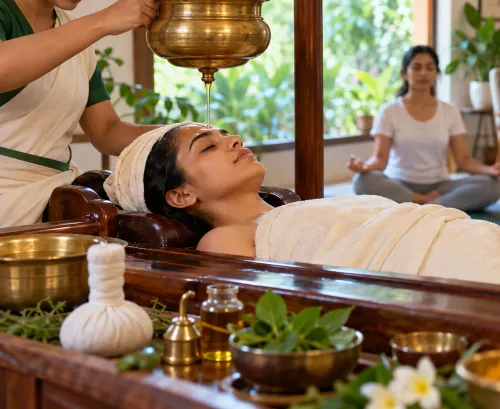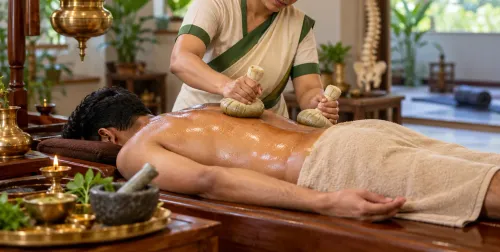
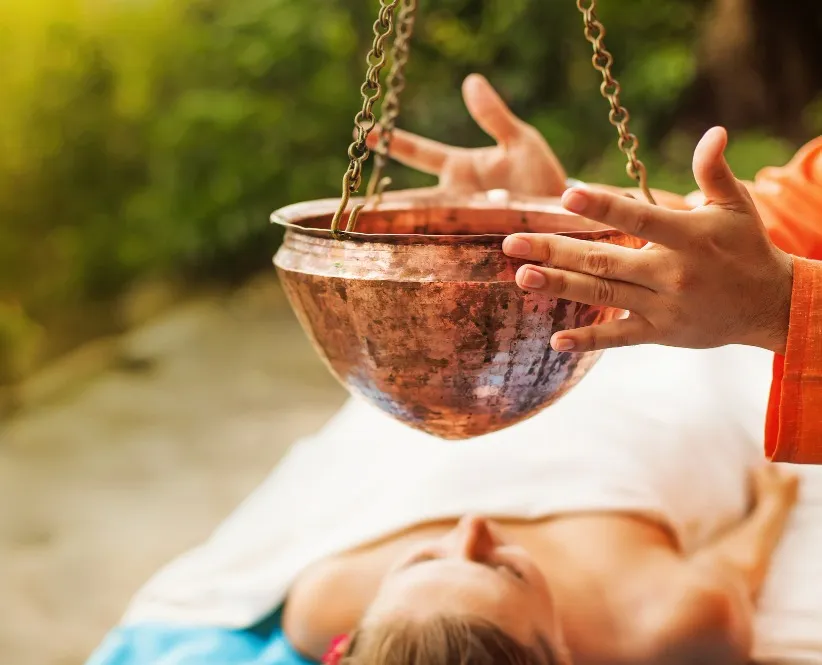
Interest in Ayurveda continues to grow as people become more aware of traditional approaches to health and wellness. Among its many therapeutic practices, Panchakarma Treatment is widely recognized for its structured procedures and emphasis on holistic care. For students considering education in Ayurveda, choosing a programme that teaches these therapies through an academic and practical framework is an important decision.
Not every course offers the same depth of learning. Before enrolling, students should understand what a quality educational programme includes, how practical training is delivered, and whether the curriculum aligns with long-term career goals.
What Should a Comprehensive Programme Cover?
Learning Panchakarma involves more than understanding individual therapies. A structured academic programme introduces students to the philosophy of Ayurveda while explaining the principles behind various treatment procedures.
An effective curriculum generally includes:
- Fundamentals of Ayurveda
- Principles of Panchakarma
- Human anatomy and physiology
- Patient assessment basics
- Therapy preparation techniques
- Hygiene and infection control
- Clinical observation
- Ethical healthcare practices
A balanced programme combines theoretical knowledge with supervised practical learning to help students understand both concepts and their clinical applications.
How Can You Identify a Suitable Institution?
Students and parents often compare colleges before making an admission decision. Instead of focusing only on brochures or course duration, it is helpful to evaluate factors that directly influence learning outcomes.
Consider whether the institution offers:
- Experienced faculty members
- Practical training laboratories
- Clinical exposure
- Well-equipped therapy facilities
- Structured academic curriculum
- Student mentoring
- Library and learning resources
- Opportunities for continued education
These factors contribute significantly to the overall educational experience.
Why Practical Training Matters
Panchakarma procedures require precision, discipline, and an understanding of patient care. Practical sessions allow students to observe therapy preparation, understand clinical protocols, and become familiar with professional responsibilities under supervision.
Hands-on learning also strengthens confidence and helps bridge the gap between classroom instruction and real-world practice.
Questions Students Should Ask Before Admission
Making an informed decision becomes easier when applicants ask the right questions.
Some useful questions include:
- Does the programme provide sufficient practical exposure?
- Are students supervised during clinical training?
- Is the curriculum regularly updated?
- What qualifications do faculty members have?
- Are there opportunities for internships or clinical observation?
- Does the institution encourage research and continuous learning?
These questions can help students evaluate whether the programme supports long-term professional development.
Career Opportunities After Completing the Programme
Students trained in Panchakarma may explore opportunities in:
- Ayurvedic hospitals
- Panchakarma centres
- Wellness resorts
- Holistic healthcare clinics
- Naturopathy institutions
- Health education organisations
Many graduates also pursue higher studies to deepen their knowledge of Ayurveda and integrative healthcare.
Students exploring educational options in Nagpur often compare institutions based on teaching quality, practical learning opportunities, and academic support. Visiting the campus and reviewing the facilities can provide valuable insight into the learning environment before making a final decision.
Chakrapani Panchakarma Yoga Nisargopchar College offers educational programmes that combine classroom instruction with practical exposure in Ayurveda, Yoga, Panchakarma, and allied healthcare disciplines. The institute encourages students to develop professional competence through structured academic learning and supervised clinical experience.
Choosing where to study Panchakarma Treatment is an important step toward building a career in traditional healthcare. Evaluating the curriculum, faculty, practical facilities, and overall academic environment helps students select an institution that supports both personal growth and professional aspirations.
Keywords