
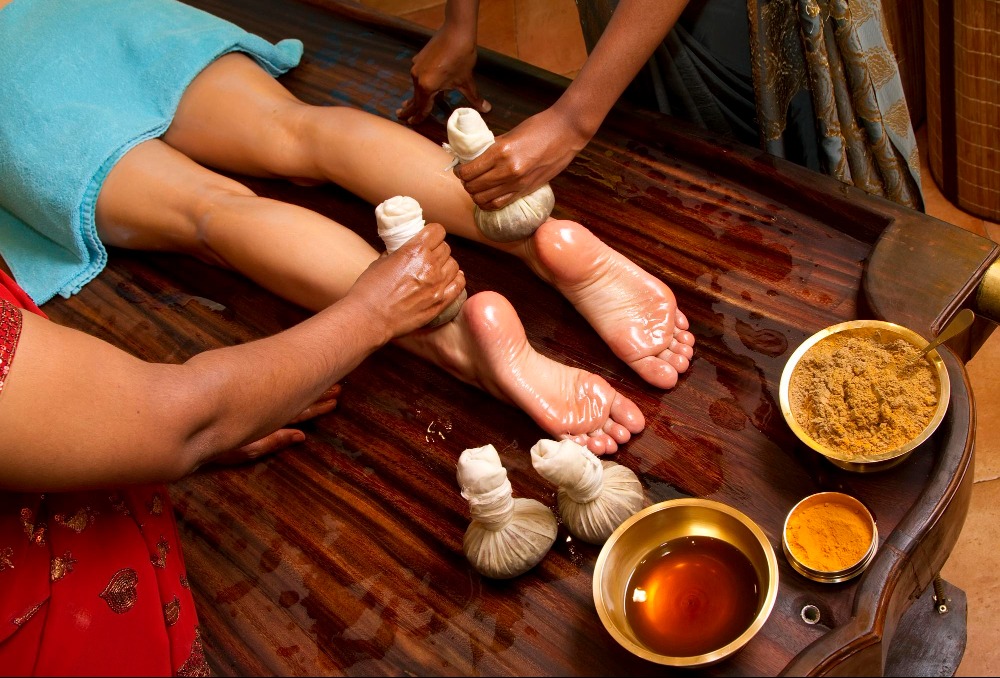
Panchakarma has long been regarded as one of the most significant therapeutic procedures in Ayurveda. Rather than focusing only on symptom relief, Panchakarma aims to restore balance within the body through carefully planned cleansing and rejuvenation therapies. As more people explore holistic approaches to health and wellness, interest in pursuing a Diploma in Panchakarma has grown among students looking for careers in traditional healthcare.
The increasing popularity of Ayurvedic wellness centres, hospitals, rehabilitation facilities, and preventive healthcare has created opportunities for trained Panchakarma professionals. For students interested in Ayurveda, natural healing, and patient care, a diploma program offers both theoretical knowledge and practical experience.
What Is Panchakarma?
Panchakarma is a specialized branch of Ayurveda that includes a series of cleansing therapies designed to help remove accumulated toxins, restore the body's natural balance, and support overall well-being. These therapies are always recommended after an individual assessment by qualified Ayurvedic practitioners and are tailored according to the person's constitution and health condition.
The five primary Panchakarma procedures traditionally include:
- Vamana (therapeutic emesis)
- Virechana (therapeutic purgation)
- Basti (medicated enema therapy)
- Nasya (nasal administration of herbal medicines)
- Raktamokshana (bloodletting in selected clinical situations)
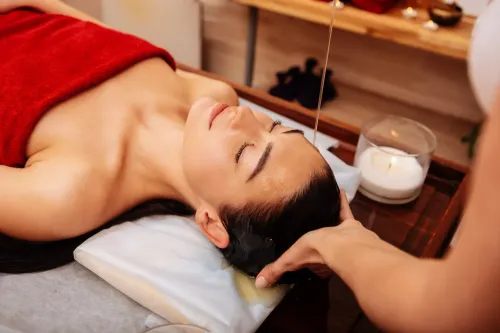
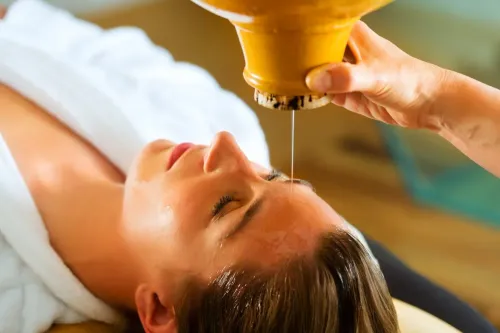
In addition to these procedures, supportive therapies such as Abhyanga, Swedana, Shirodhara, and Pizhichil are commonly performed as part of Ayurvedic treatment plans.
What Does a Diploma in Panchakarma Cover?
A Diploma in Panchakarma introduces students to both the theoretical foundations of Ayurveda and the practical aspects of Panchakarma therapies. The course is designed to prepare students for assisting qualified Ayurvedic practitioners while maintaining professional standards of patient care.
The curriculum generally includes:
- Fundamentals of Ayurveda
- Principles of Panchakarma
- Human anatomy and physiology
- Ayurvedic concepts of health and disease
- Herbal oils and medicinal preparations
- Massage techniques
- Detoxification therapies
- Patient preparation and aftercare
- Hygiene and infection control
- Clinical documentation
- Professional ethics
- Practical demonstrations and supervised clinical training
This balanced learning approach helps students understand not only how therapies are performed but also why they are recommended in specific situations.
Skills Developed During the Program
Students pursuing a Diploma in Panchakarma develop a combination of technical knowledge and patient-care skills.
These include:
- Ayurvedic therapy assistance
- Therapeutic massage techniques
- Patient communication
- Observation and documentation
- Professional hygiene practices
- Preparation of therapy rooms
- Safe handling of Ayurvedic materials
- Time management
- Teamwork within healthcare settings
- Understanding treatment protocols
These practical competencies help graduates work effectively in Ayurvedic healthcare environments.
Career Opportunities After Completing the Diploma
Growing awareness of traditional wellness systems has expanded career opportunities for trained Panchakarma professionals across India.
Graduates may find employment in:
- Ayurvedic hospitals
- Panchakarma centres
- Wellness resorts
- Naturopathy centres
- Integrative healthcare facilities
- Rehabilitation centres
- Holistic wellness clinics
- Medical tourism centres
Possible career roles include:
- Panchakarma Therapist
- Ayurvedic Therapy Assistant
- Wellness Centre Executive
- Ayurvedic Clinical Assistant
- Therapy Coordinator
- Rehabilitation Support Professional
Some graduates also choose to continue their education through advanced Ayurvedic programs or specialized wellness training.
Why Practical Training Is Essential
Panchakarma therapies require precision, proper technique, and an understanding of traditional Ayurvedic principles. Practical exposure allows students to observe experienced practitioners, learn therapy preparation, assist during procedures, and understand patient safety protocols.
Clinical training helps students:
- Build confidence in therapy techniques
- Understand professional standards
- Improve patient interaction
- Learn hygiene and safety practices
- Gain familiarity with Ayurvedic equipment and herbal preparations
This hands-on experience becomes valuable when students begin working in professional healthcare settings.
Growing Demand for Panchakarma Professionals
Interest in preventive healthcare, stress management, and holistic wellness has increased significantly in recent years. Many individuals now seek Ayurvedic therapies as part of broader wellness plans under professional medical guidance. This has encouraged healthcare institutions and wellness centres to employ trained Panchakarma professionals who understand both traditional practices and modern patient care standards.
Nagpur and other cities in Maharashtra have witnessed increasing awareness of Ayurveda, creating opportunities for qualified individuals trained in Panchakarma techniques and patient support.
Choosing the Right Educational Institution
Selecting the right diploma program involves evaluating several factors beyond course duration. Students should look for institutions that offer experienced faculty, structured academic learning, practical clinical exposure, and opportunities to observe real therapeutic procedures.
Educational institutions such as Chakrapani Panchakarma Yoga Nisargopchar College provide specialized learning in Ayurveda and allied healthcare disciplines. Through a combination of classroom education and supervised practical sessions, the institute helps students develop a deeper understanding of traditional therapeutic practices. Those interested in learning more about the curriculum, eligibility, and academic programs can also explore chakrapanicollege.org for detailed information.
A Diploma in Panchakarma offers students the opportunity to build a meaningful career in traditional healthcare while supporting the growing demand for skilled professionals in Ayurvedic hospitals, wellness centres, and holistic healthcare facilities. With the continued expansion of Ayurveda across India, this field remains an important part of integrative healthcare and preventive wellness.